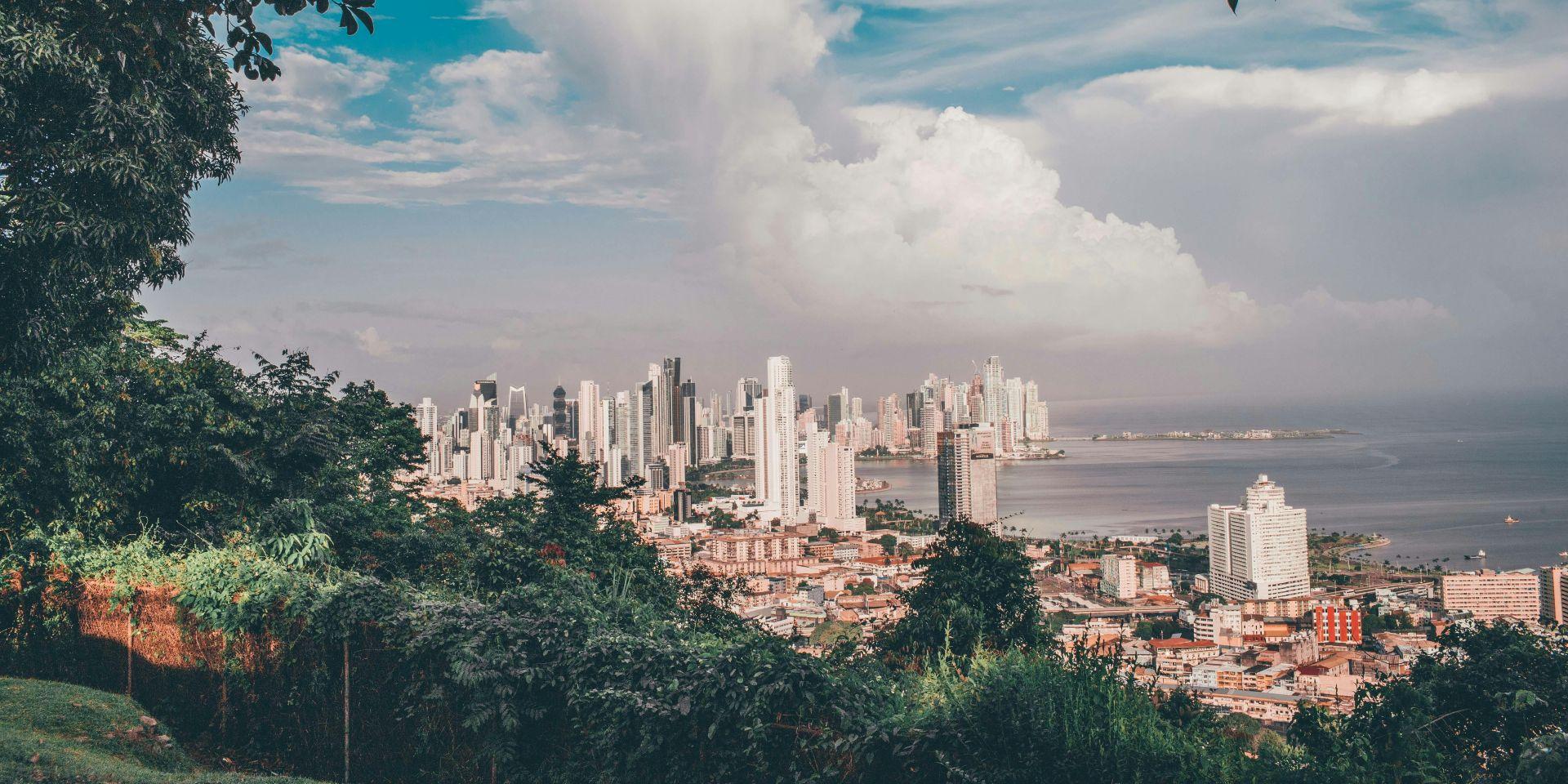
Panama: a key country for global biodiversity
Panama stands out for its biodiversity and strategic location. Its geological history and ecosystem diversity make it a key territory for regional and global conservation. Despite its size, it concentrates exceptional biological richness and connects species and habitats across the Americas.
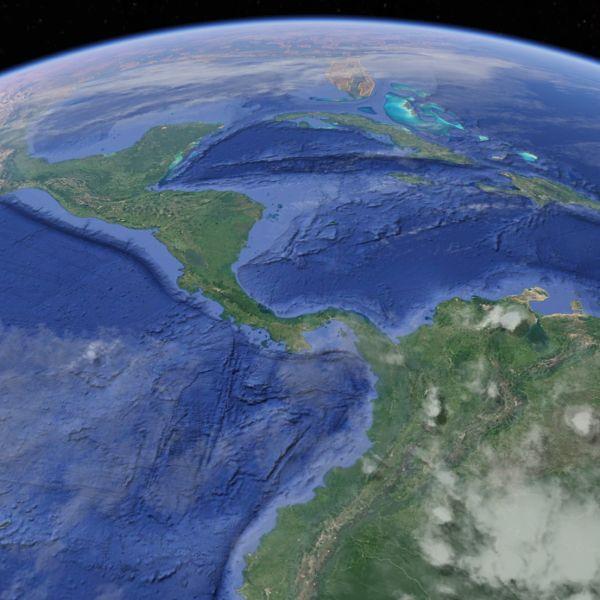
Panama: a natural biological bridge
Panama functions as a natural biological bridge between North and South America. Millions of years ago, the formation of the isthmus enabled the exchange of flora and fauna species between both continents, a process known as the Great American Biotic Interchange.
This historical connectivity gave rise to extraordinary biological diversity. Today, Panama hosts species with distinct evolutionary origins and acts as an ecological corridor for the migration, dispersal, and survival of many terrestrial, aerial, and marine species.
Its territory connects continental and marine-coastal ecosystems, enabling essential ecological processes that transcend national borders.
Ecosystem Diversity
Despite its relatively small size, Panama presents a remarkable variety of ecosystems
Due to its complex topography, climate, and geographic location, Panama hosts multiple ecosystem types that allow many species to coexist and create landscapes of high ecological and scientific value.
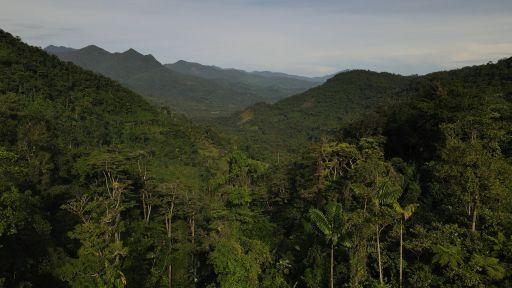
Humid Tropical Forests
Ecosystems with high rainfall and exceptional biodiversity
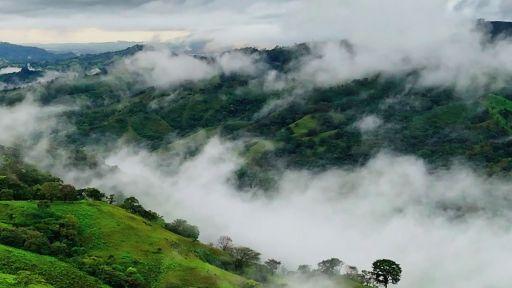
Cloud Mountain Forests
High-elevation areas with constant mist and unique species
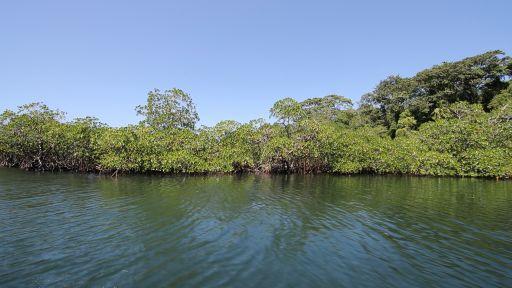
Mangroves and Wetlands
Critical coastal ecosystems for marine and terrestrial life
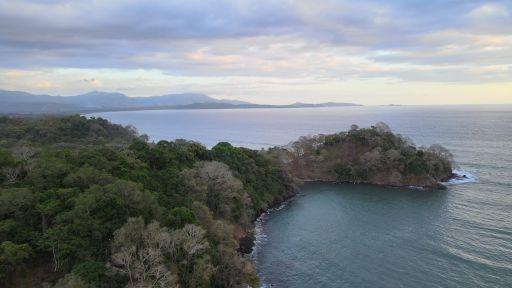
Marine-Coastal Ecosystems
Coral reefs, seagrass meadows, and biodiverse coastlines
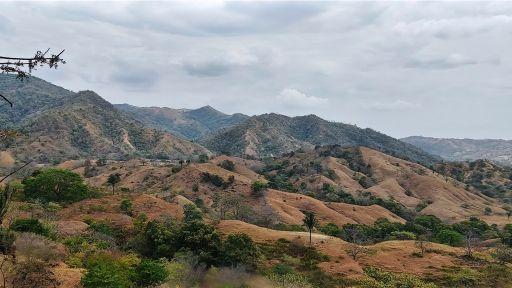
Mountain Areas
High-altitude zones with particular climate conditions
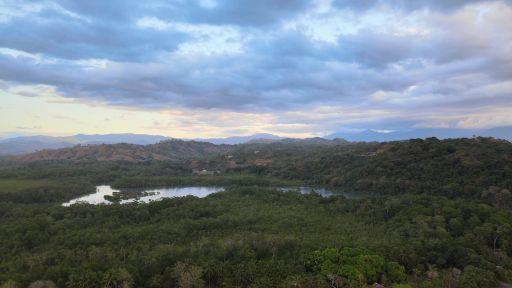
Transition Zones
Areas where different ecosystem types converge
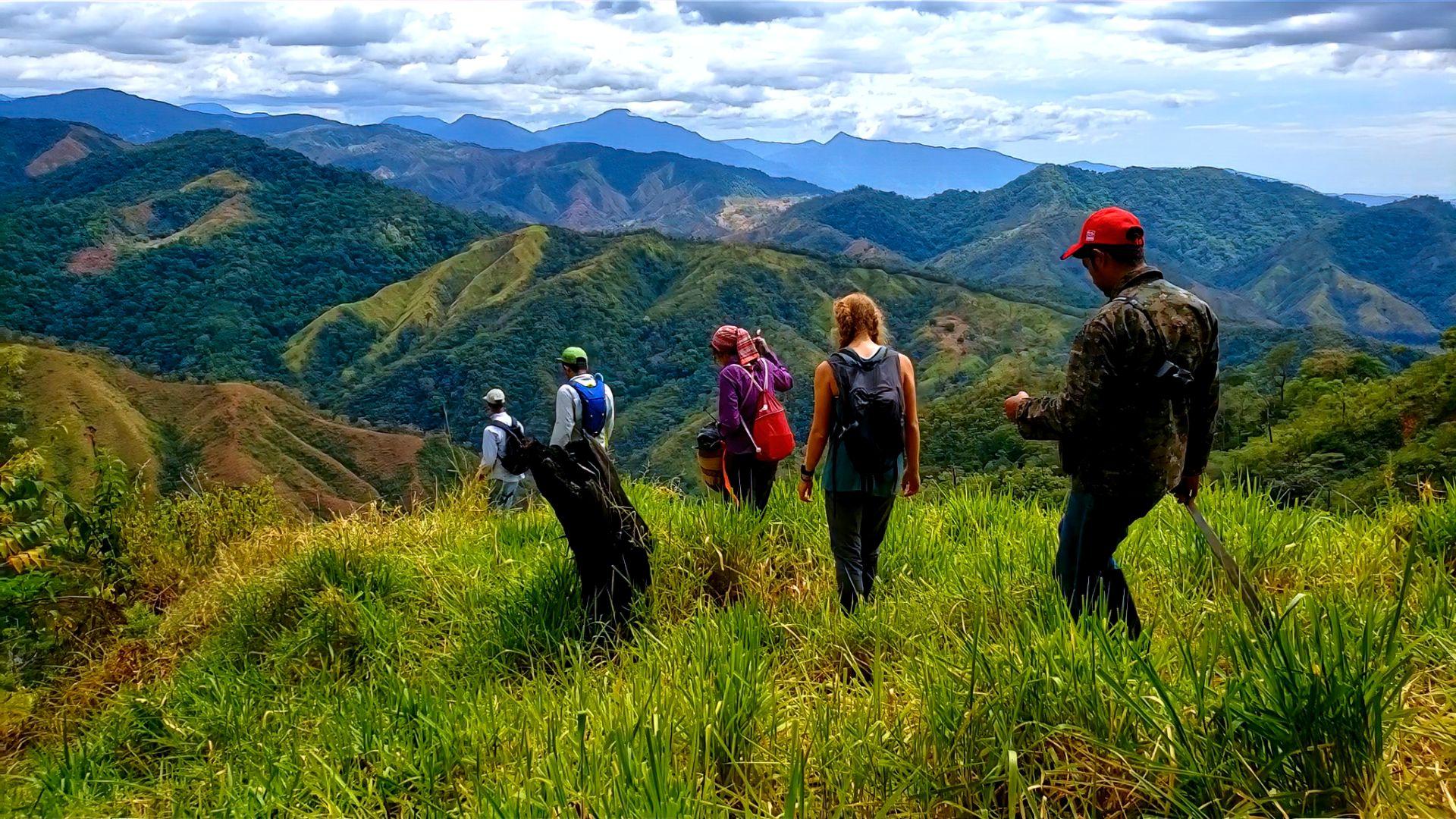
Biodiversity and Emblematic Species
Panama is internationally recognized for its biological richness. The country hosts a great diversity of flora and fauna species, including many endemic species and others considered key to ecosystem balance.
This biodiversity has not only high ecological value, but also scientific, cultural, and educational value, making the country a natural laboratory for research and conservation.
1,030
Bird Species
10,044
Plant Species
257
Mammal Species
230
Amphibian Species

Harpy Eagle
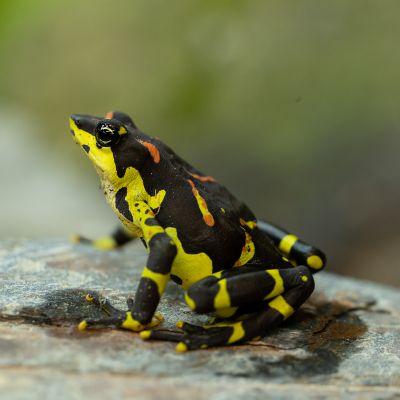
Harlequin Frog
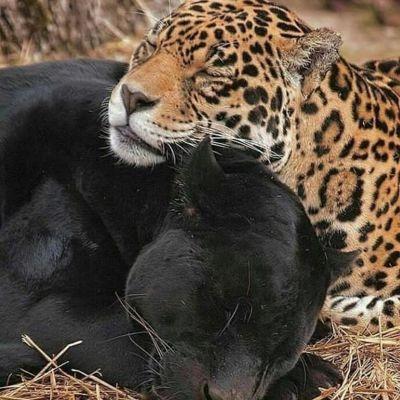
Jaguar
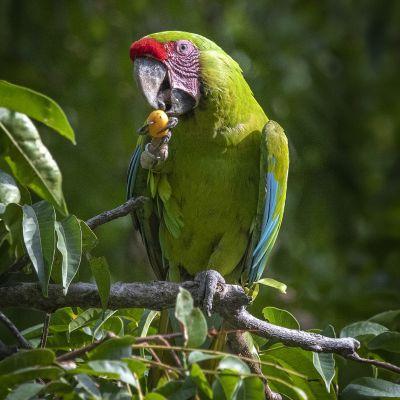
Great Green Macaw
Biodiversity and Emblematic Species
Panama is internationally recognized for its biological richness. The country hosts a great diversity of flora and fauna species, including many endemic species and others key to ecosystem balance.
1,030
Bird Species
10,044
Plant Species
257
Mammal Species
230
Amphibian Species
Emblematic Species
Harpy Eagle
Harlequin Frog
Jaguar
Great Green Macaw
Conservation Threats and Challenges
Despite its natural richness, Panama's biodiversity faces multiple threats. Among the main challenges are:
Habitat loss and fragmentation
Destruction of natural ecosystems due to urban and agricultural expansion
Illegal activities
Impact of illegal hunting, wildlife trafficking, and other illicit activities on biodiversity
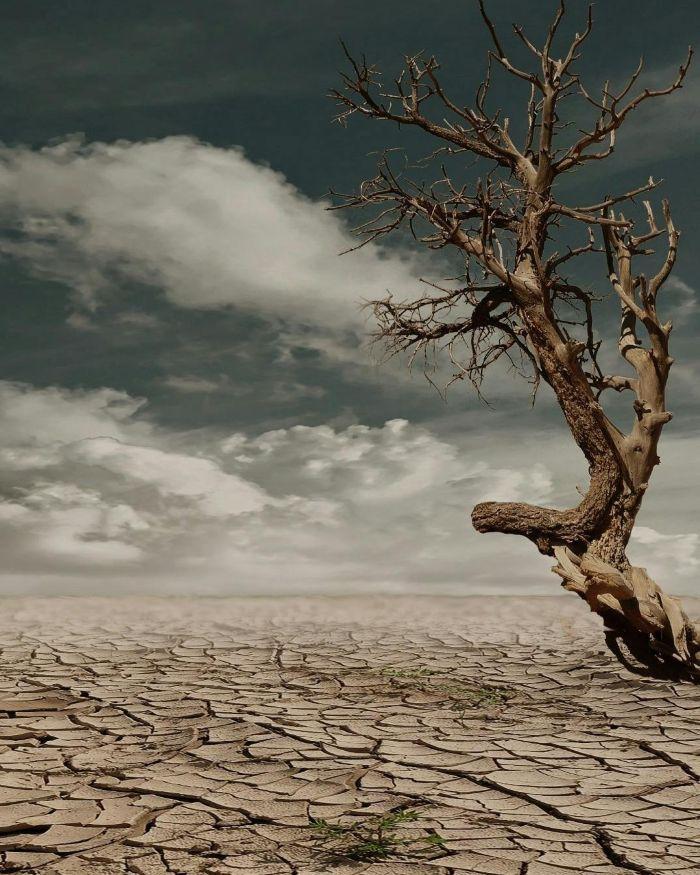
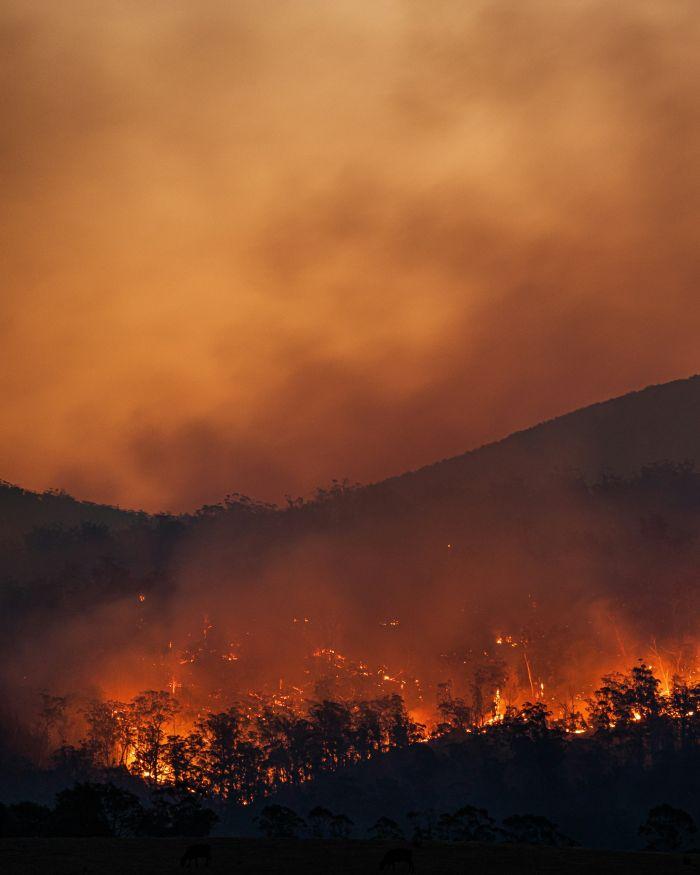
Climate change effects
Changes in climate patterns affecting ecosystems and species
Wildlife-human conflicts
Tensions among wildlife conservation, communities, and affected areas


Panama and Conservation
Conservation in Panama is essential not only nationally, but also regionally and globally. Protecting the country's ecosystems helps to:
- Maintain essential ecosystem services
- Preserve continental biological corridors
- Mitigate climate change effects
- Ensure survival of key and endemic species
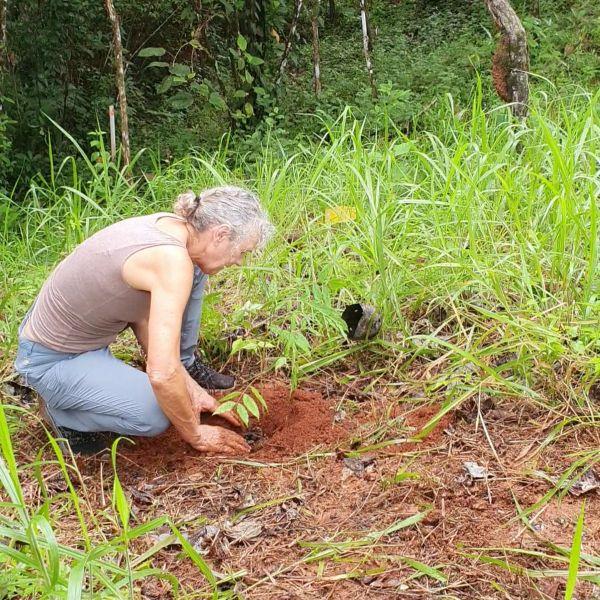
Scientific research, environmental education, and local community engagement are essential pillars to address current challenges and ensure sustainable long-term solutions.
Scientific Research
Local Participation
Environmental Education
Connecting Territory and Action
Panama's ecological context gives meaning and relevance to conservation initiatives developed in the country. Understanding the importance of this territory helps value the work done to protect species, habitats, and essential natural processes.
Connecting Territory and Action
Panama's ecological context gives meaning and relevance to conservation initiatives developed in the country.