Jaguars Without Conflict
Human-Wildlife CoexistenceProtecting jaguars and rural communities in Santa Fe and Azuero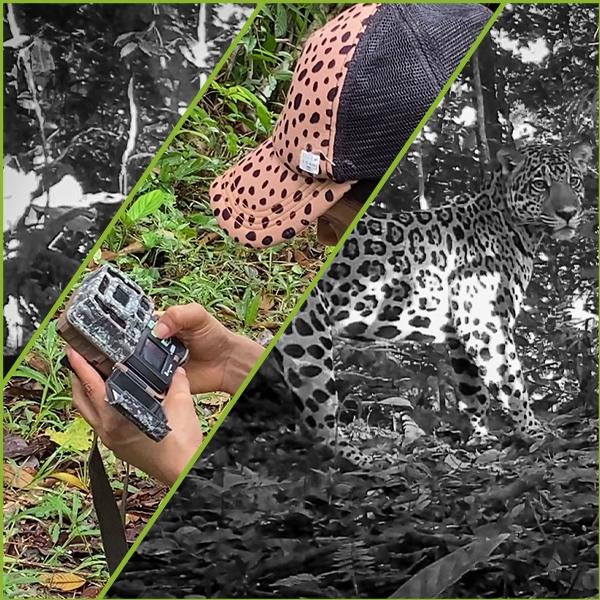
What is Jaguars Without Conflict?
Jaguars Without Conflict is the Panama Wildlife Conservation program focused on reducing and preventing conflicts between jaguars and ranchers in Veraguas province and the Azuero Peninsula. As deforestation reduces jaguar habitat, these big cats are forced closer to livestock, creating economic losses and retaliatory actions that threaten their survival.
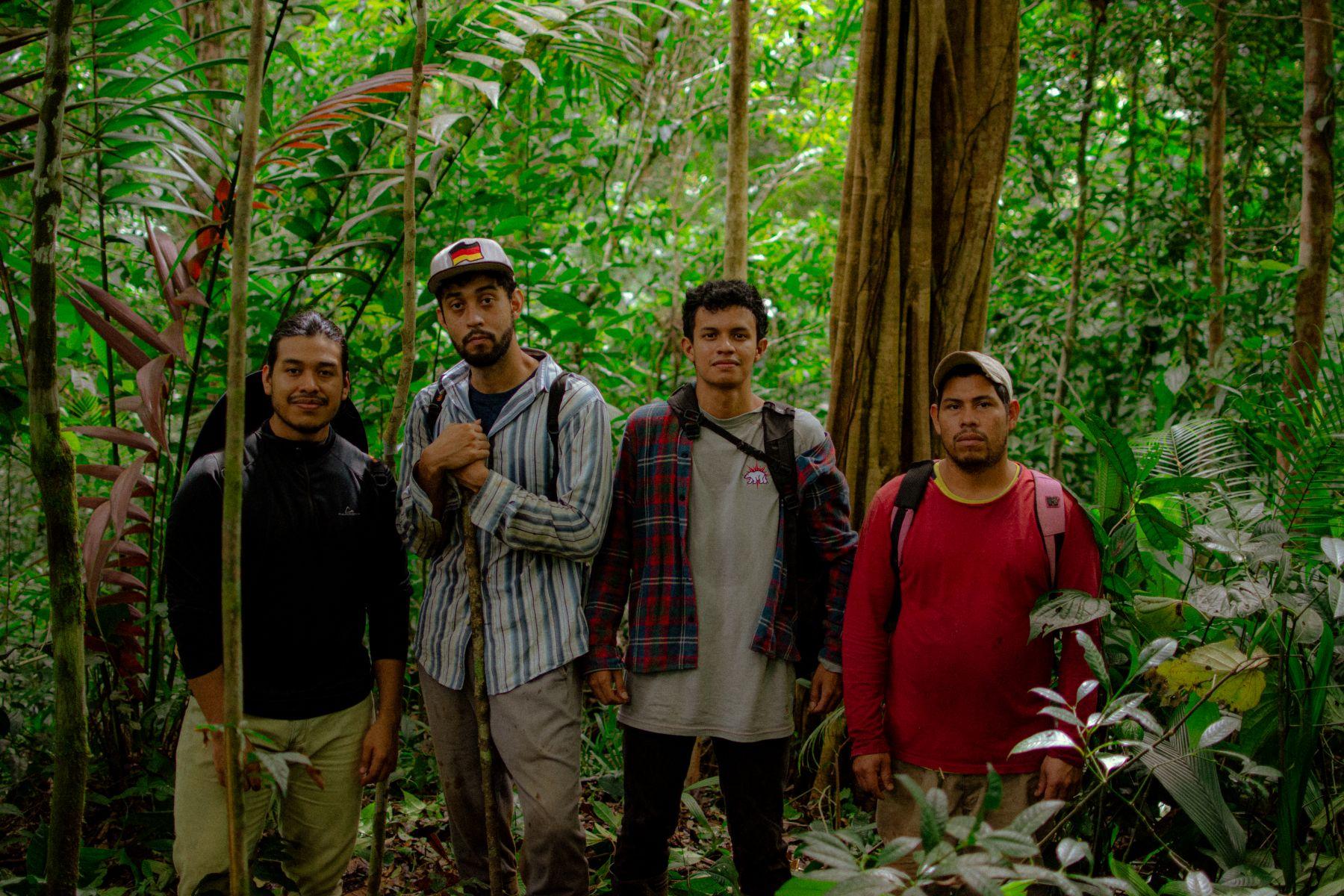
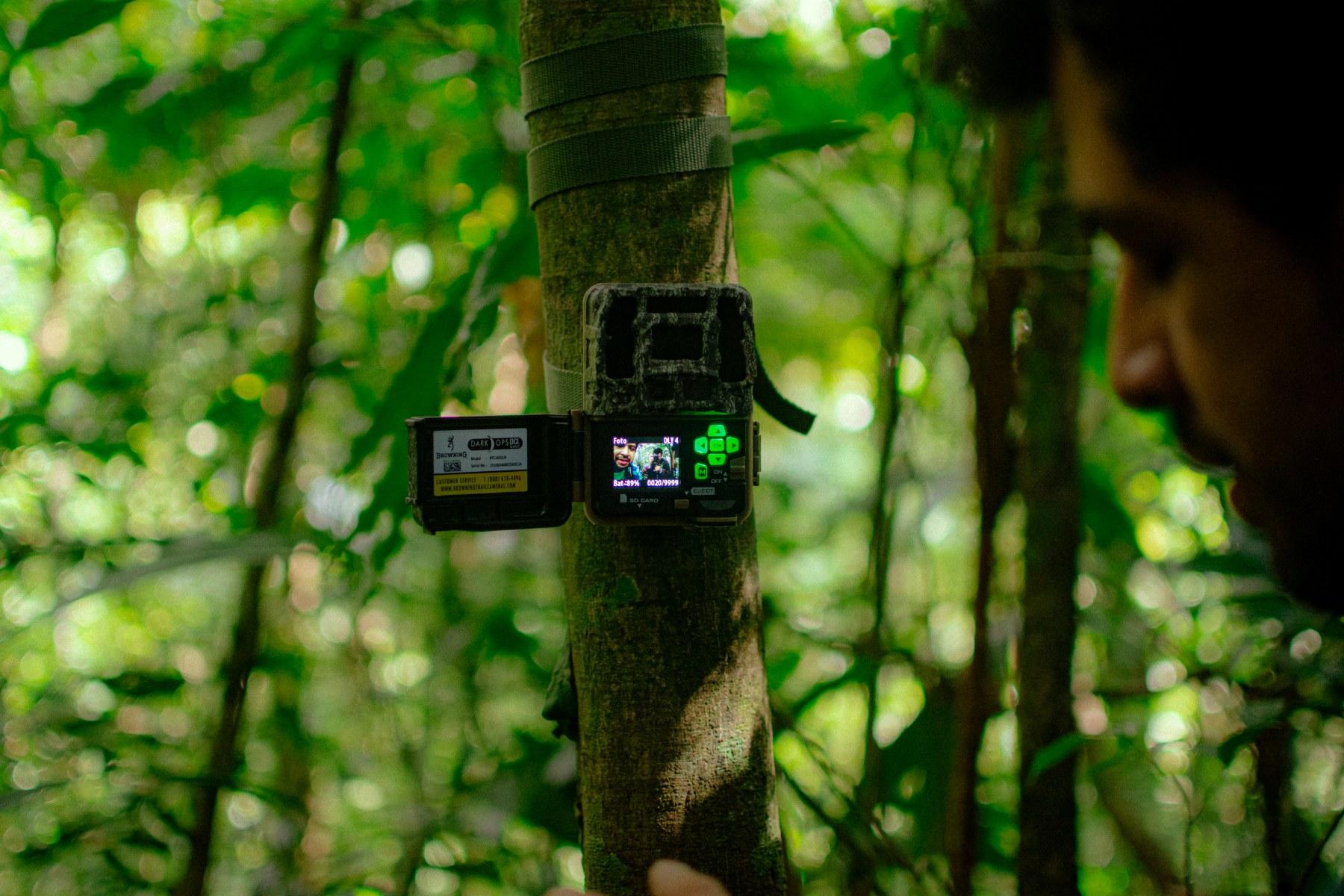
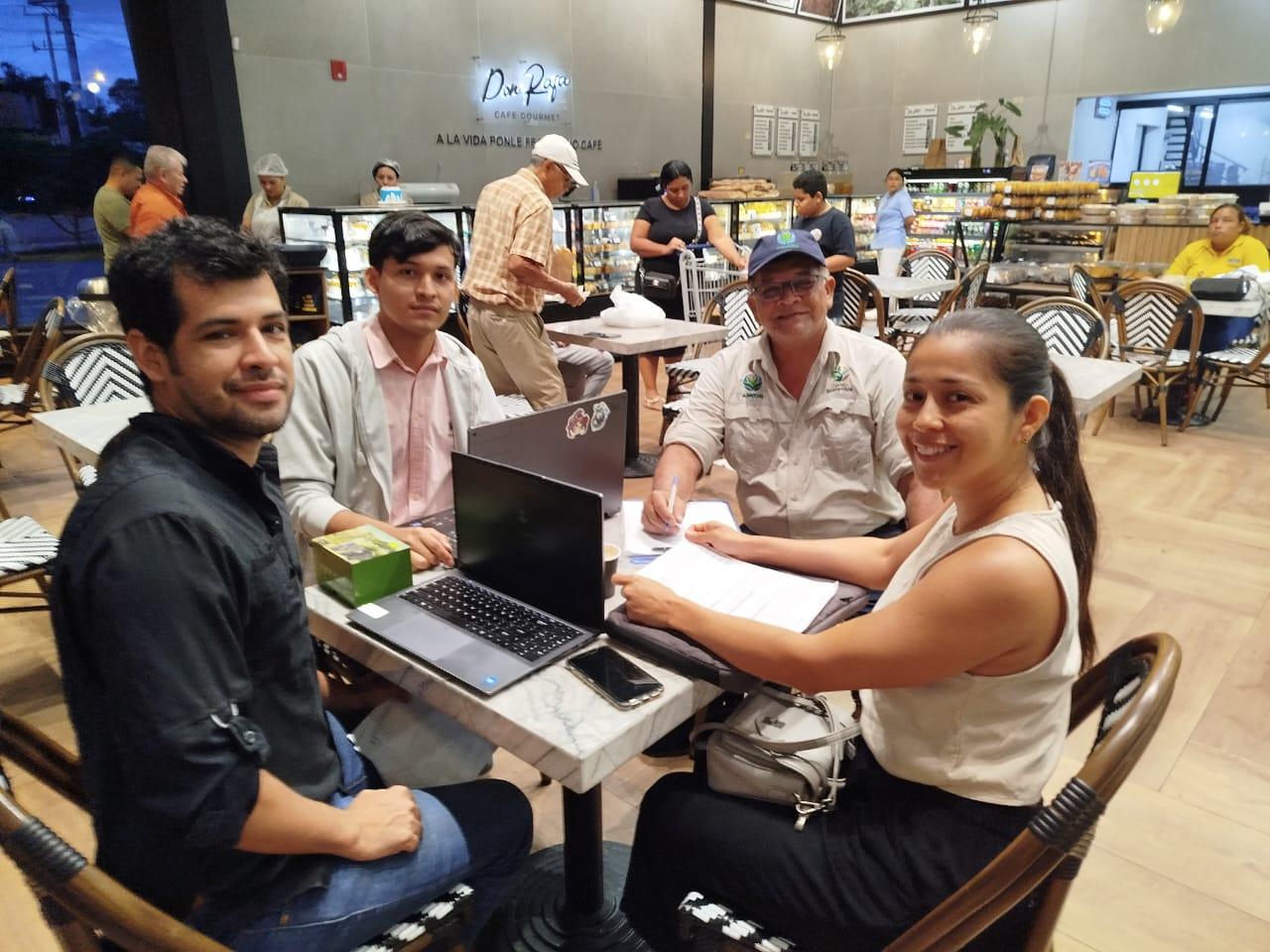
The project works directly with rural producers to implement better livestock management, monitor jaguar presence through camera traps, and promote coexistence between people and wildlife. It combines scientific research, applied technology, and community participation to build practical evidence-based solutions.
Protecting the jaguar means protecting forests, water, and the future of Panama.
Fewer than 200 jaguars remain in all of Panama and fewer than 5 in Azuero
The jaguar: a symbol of nature and coexistence
The jaguar represents the strength, balance, and richness of Panama's forests. Its presence inspires respect and invites us to build harmonious coexistence between rural communities and wildlife.
An emblematic species of Panama
A symbol of ecological balance
The jaguar (Panthera onca) is the largest cat in the Americas and a natural guardian of forests. Its role as a predator helps maintain ecosystem diversity and health.
<200
jaguars live freely in Panama
In the Azuero region, jaguars coexist with rural and ranching communities, creating opportunities to learn, innovate, and protect natural heritage together.
Protected forests
The jaguar helps drive the conservation of large areas of natural habitat.
Rural innovation
Communities develop solutions to coexist with and protect jaguars.
Biological diversity
Its presence signals healthy and connected ecosystems.
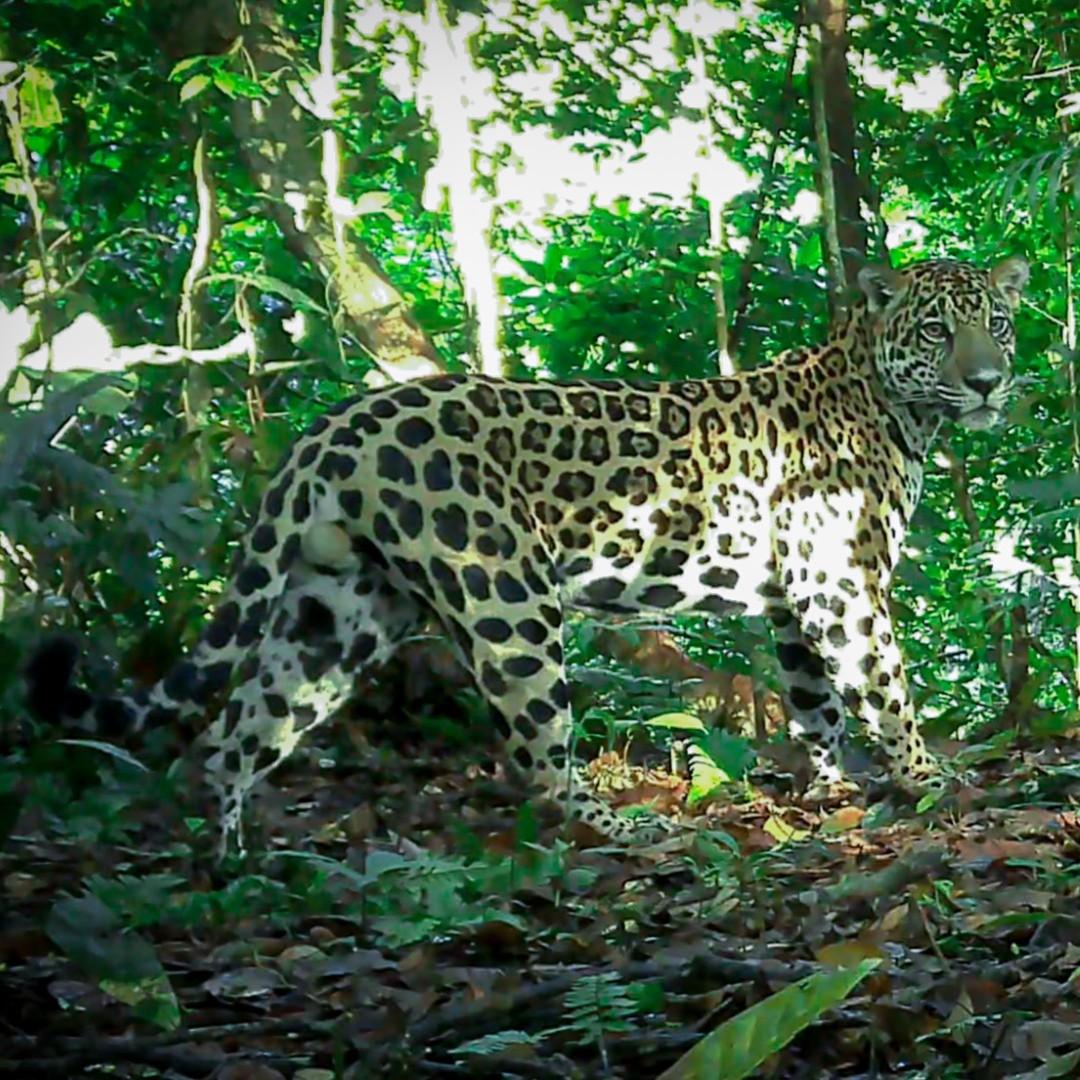
The jaguar inspires respect and collaboration to conserve nature
Work area
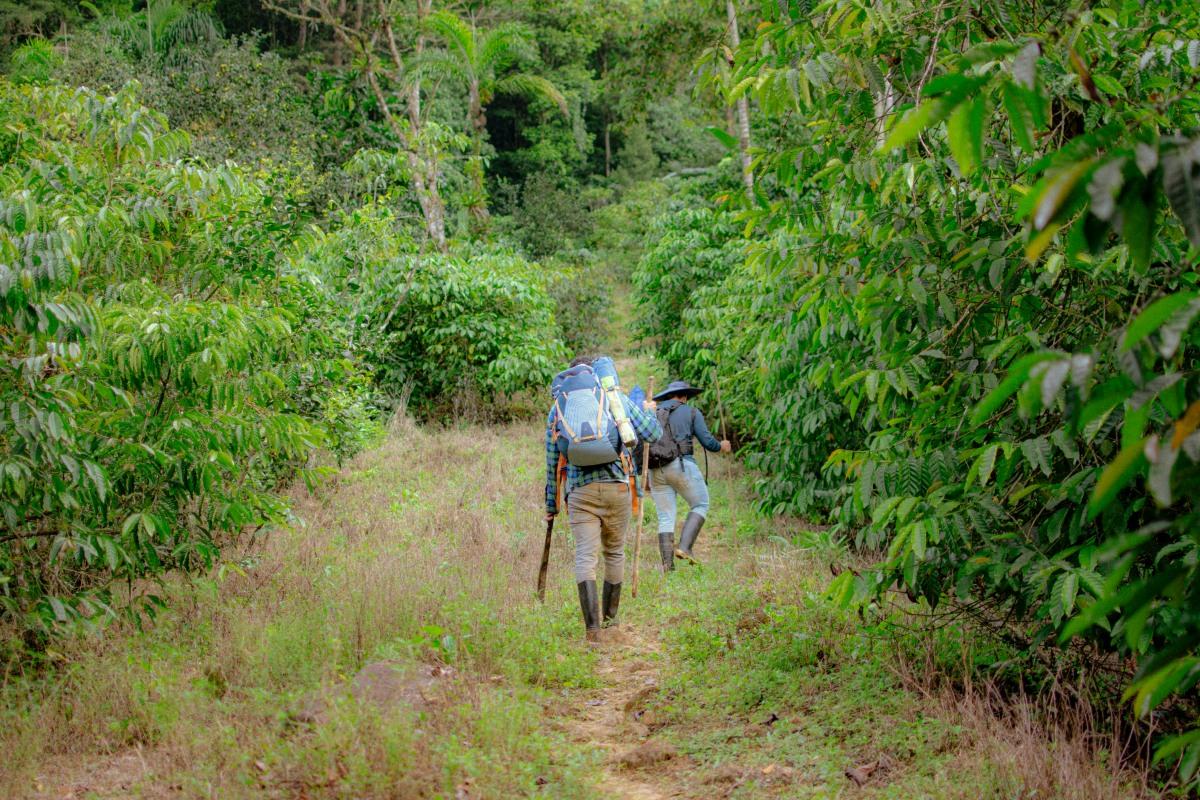
The project operates in Panama, mainly in Veraguas and Los Santos provinces, across the districts of Santa Fe, Mariato, and Tonosi, covering rural communities and key protected areas for jaguar conservation.
What do we do in Jaguars Without Conflict?
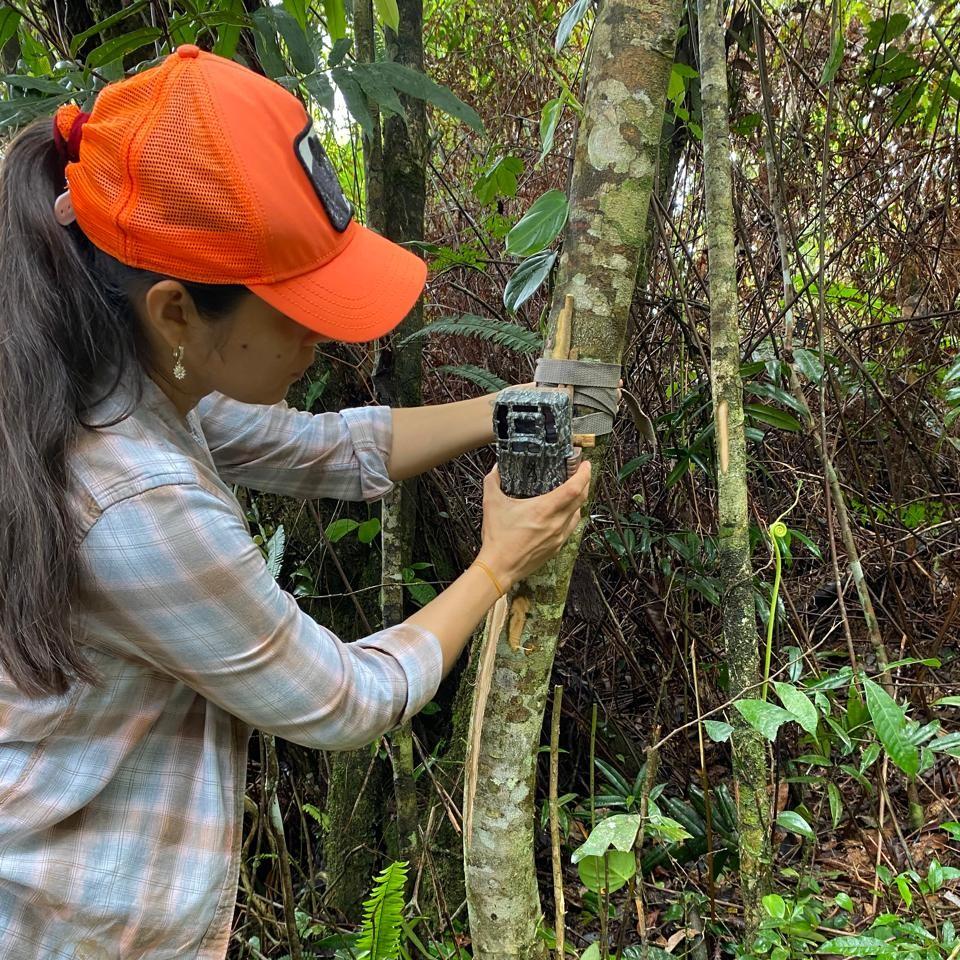
Camera-trap monitoring
Systematic evidence gathering to map presence, behavior patterns, and risk areas. Data guides decisions and prioritizes field actions.
Conflict reduction
Non-lethal measures and direct support for producers to prevent losses. Includes incident-response protocols and workshops for human-jaguar coexistence.
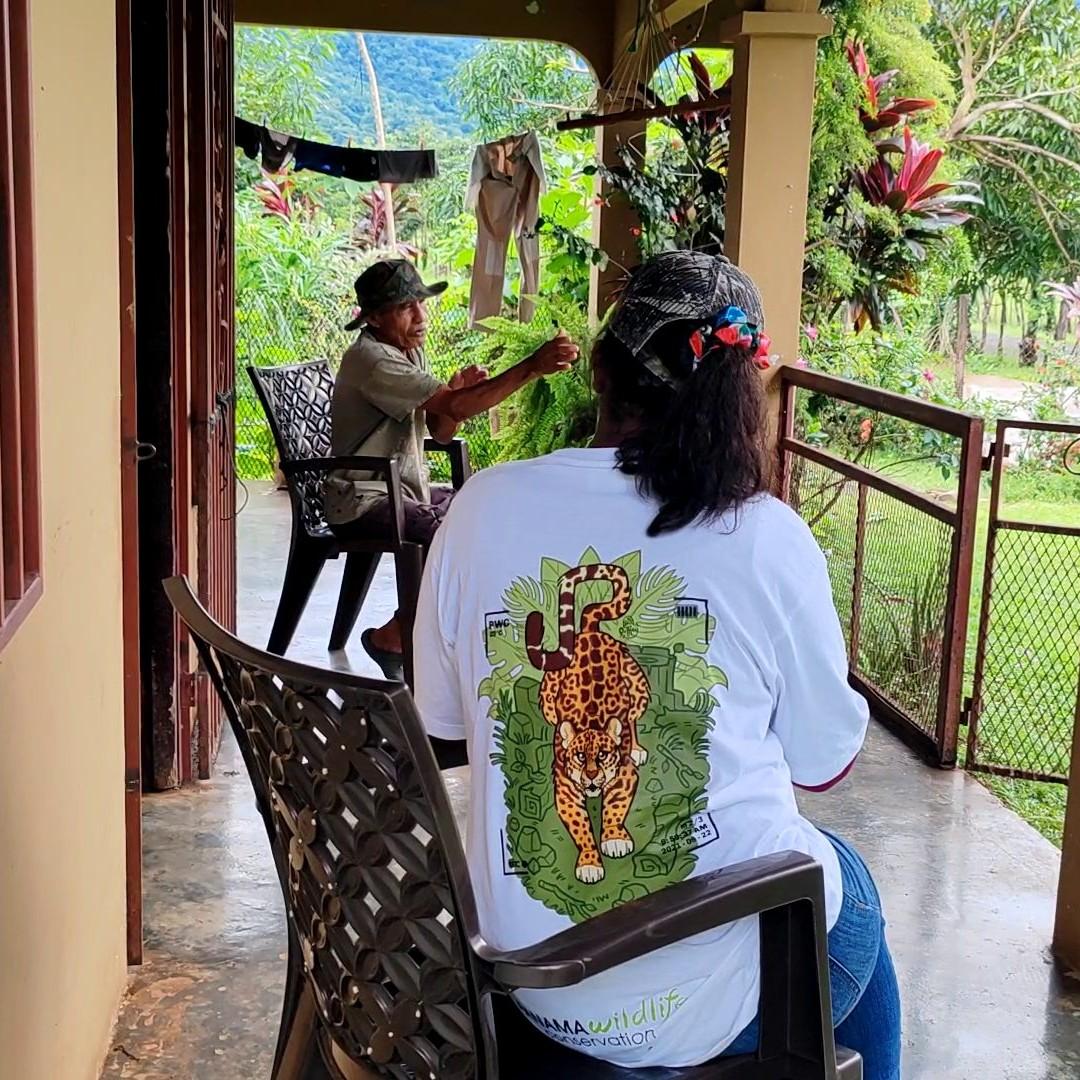
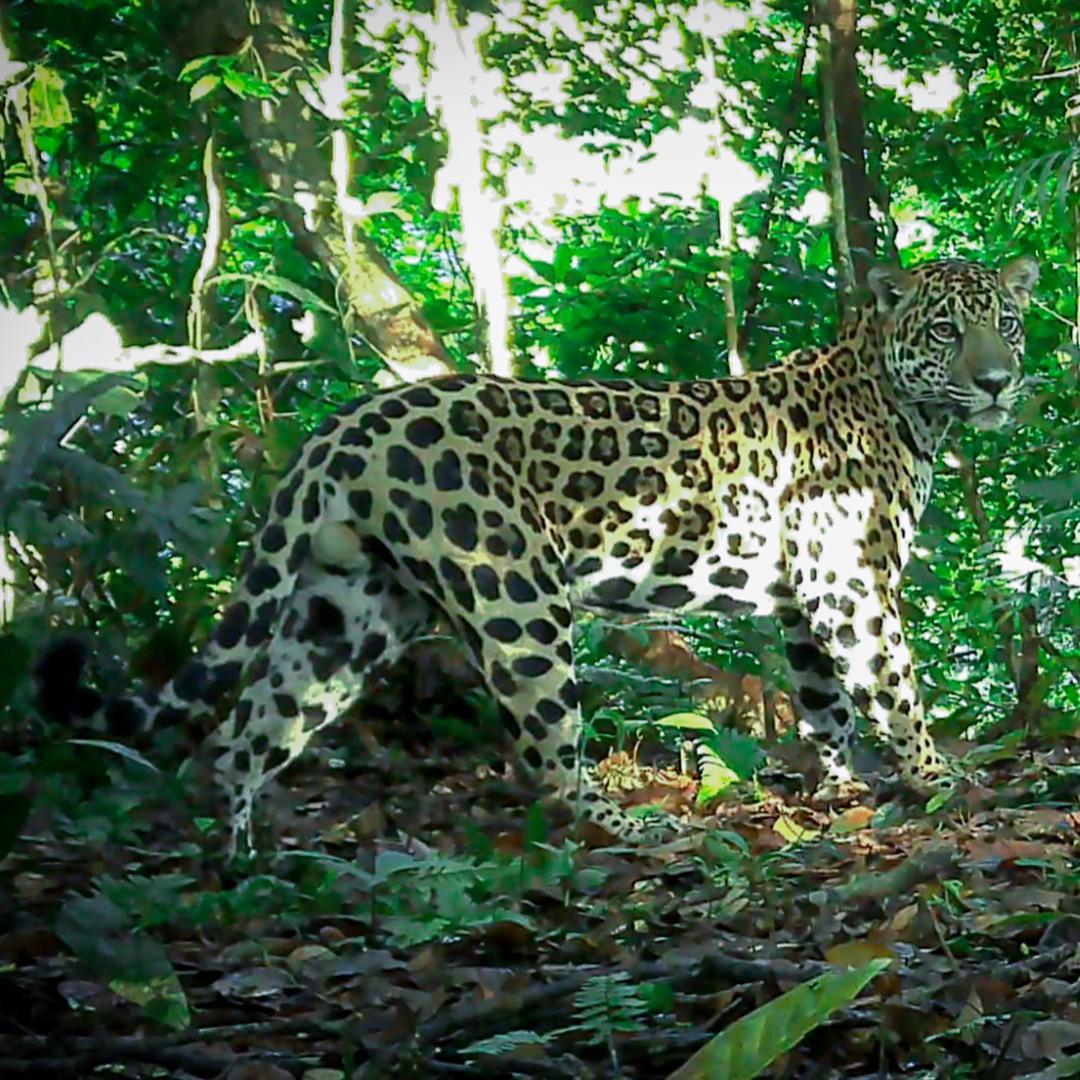
Livestock management
Preventive practices to reduce livestock vulnerability and avoid retaliation. Includes secure corrals, night management, electric fencing, and strategic signage.
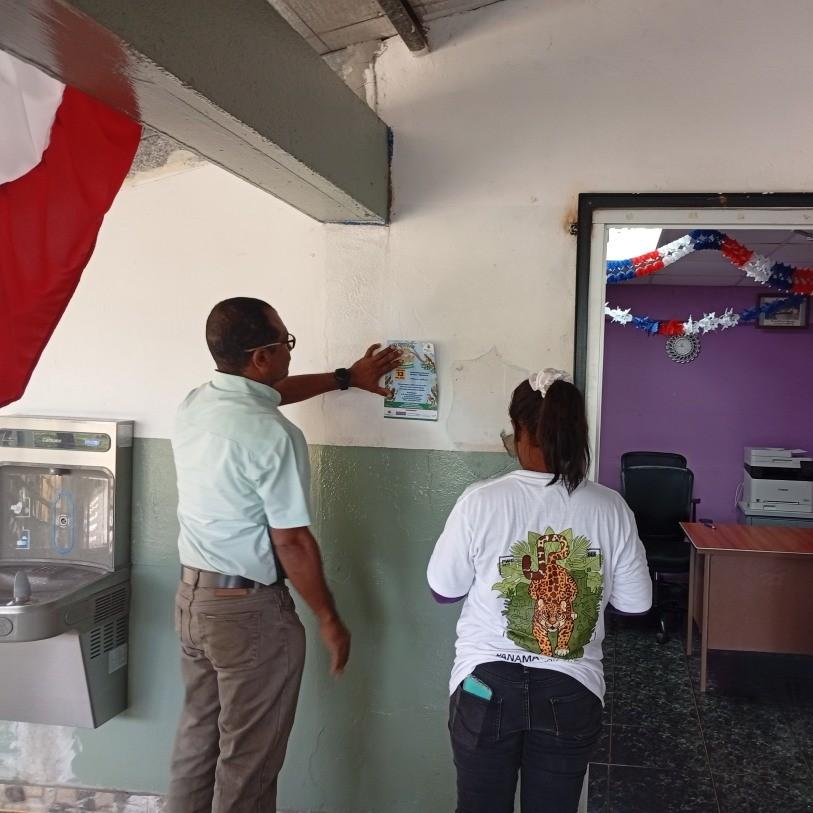
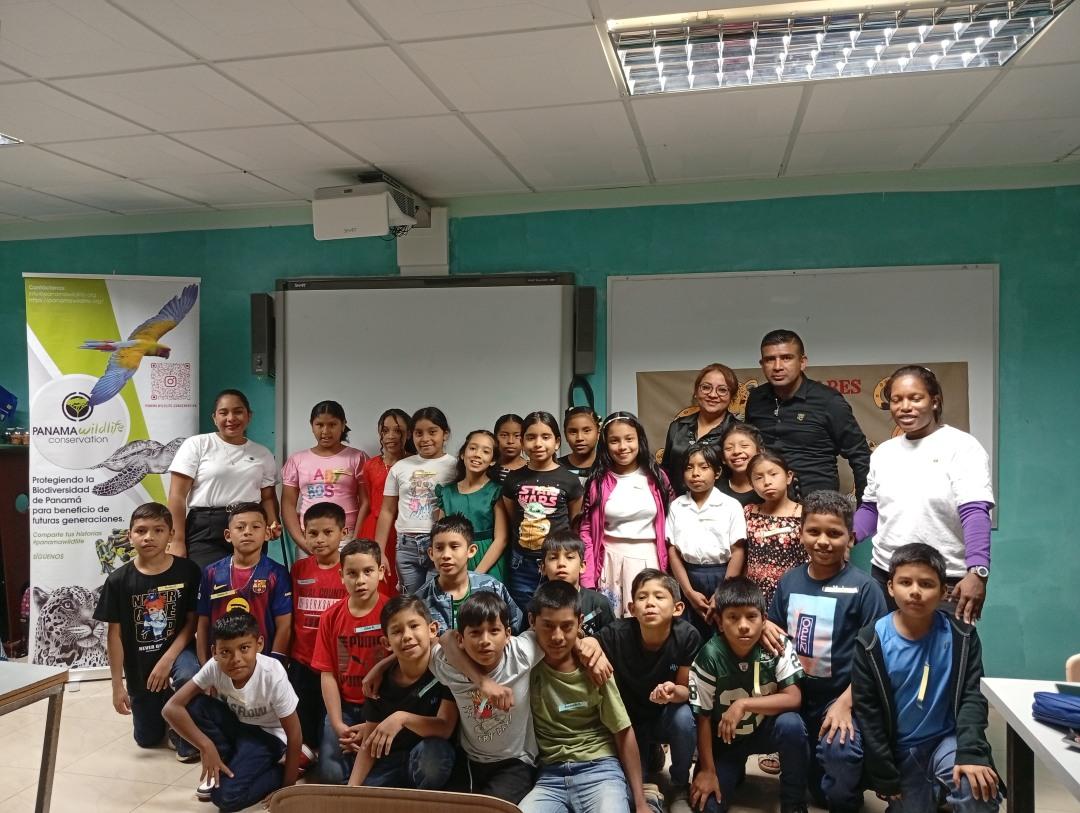
Community education
Activities and talks that strengthen a positive vision of jaguars, promoting conservation and coexistence with rural communities.
Jaguars Without Conflict within PWC's work
This project connects with other Panama Wildlife Conservation initiatives to strengthen biological corridors, reduce human-wildlife conflict, and scale conservation solutions in working landscapes. Our shared approach is science + community + territory.
Strategic partners
We work with institutions and organizations committed to conservation.

Fundación Islas Secas
Ministerio de Ambiente de Panamá
Guardians of the forest and coexistence
The jaguar symbolizes Panama's forests and the real possibility of conserving biodiversity when science, communities, and territory work together. Human-wildlife coexistence is both possible and necessary for the future of our ecosystems and rural cultures.