Harlequin Frog Conservation
Protecting water is protecting lifeHarlequin frog conservation and water protection in Veraguas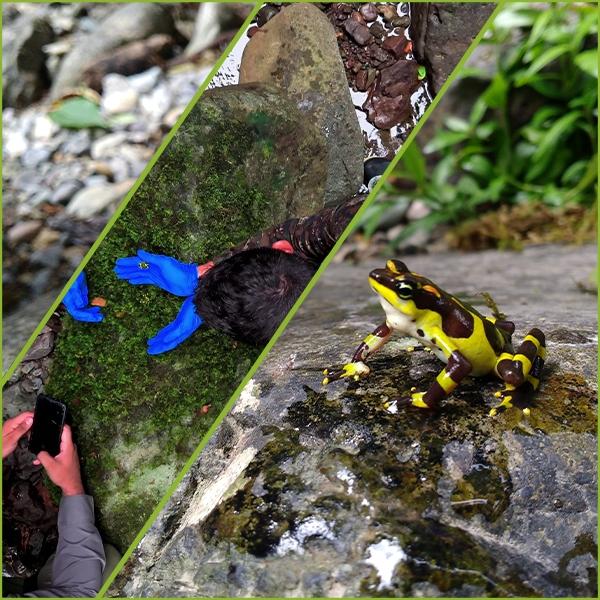
What is the Harlequin Frog project?
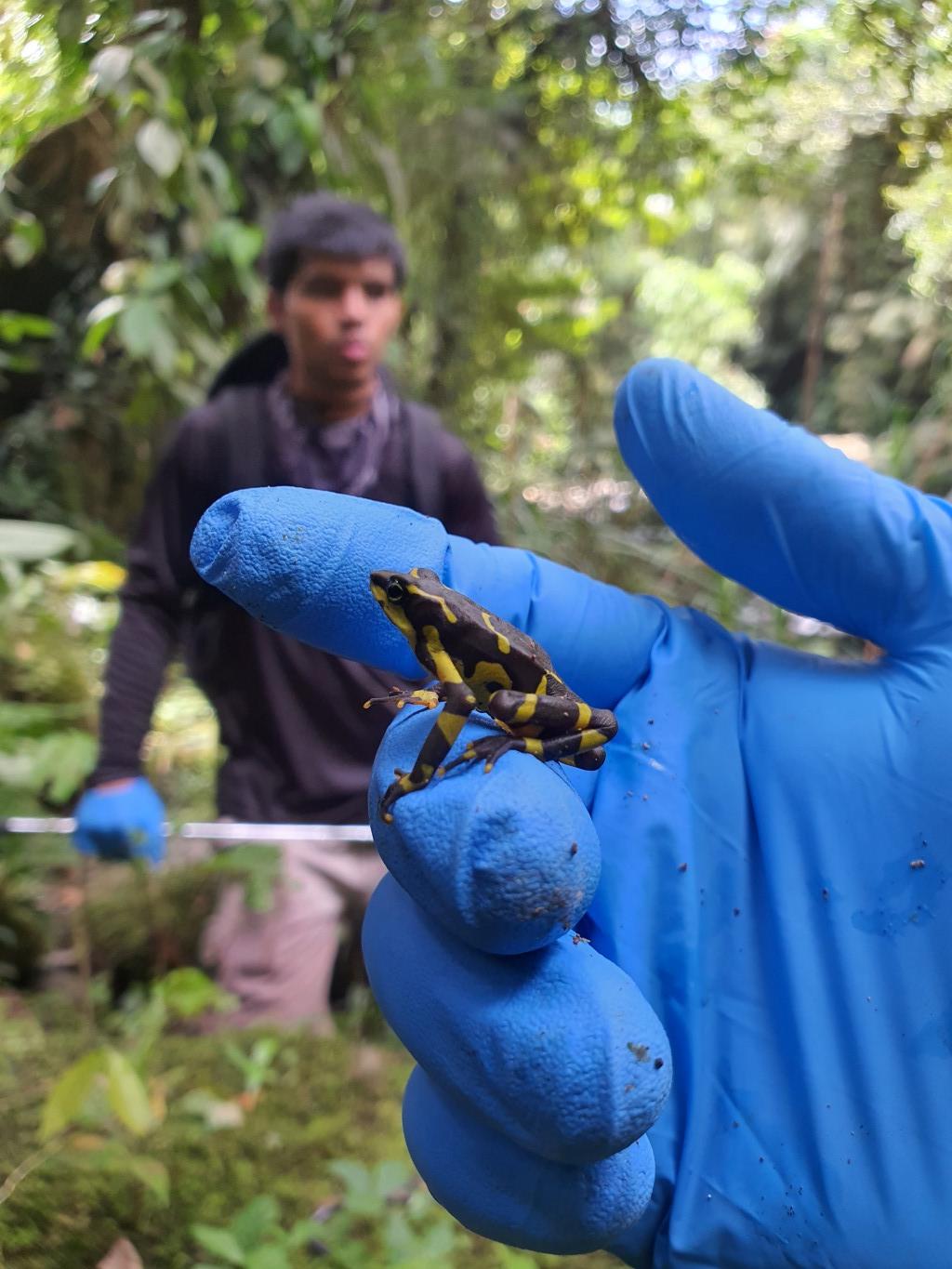
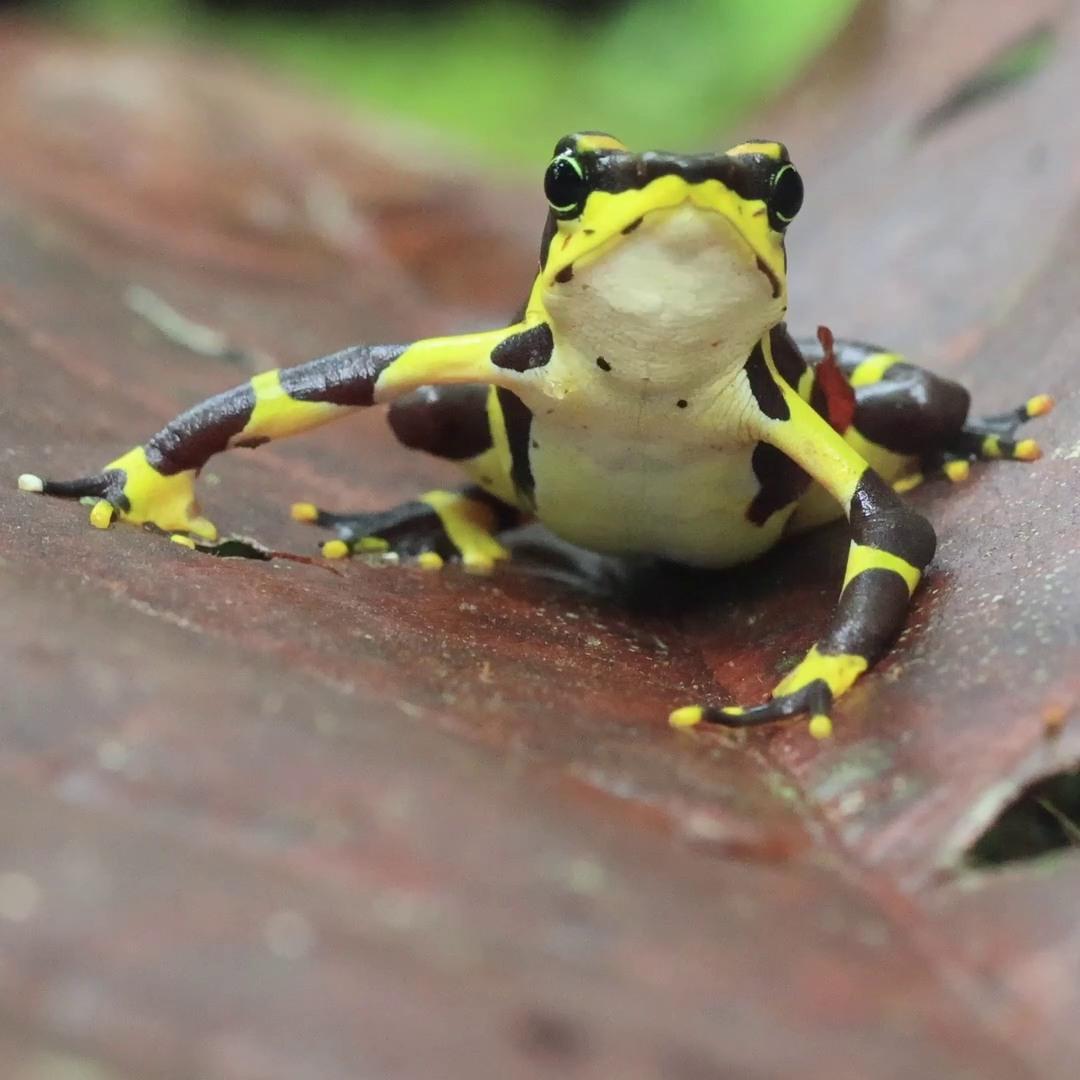
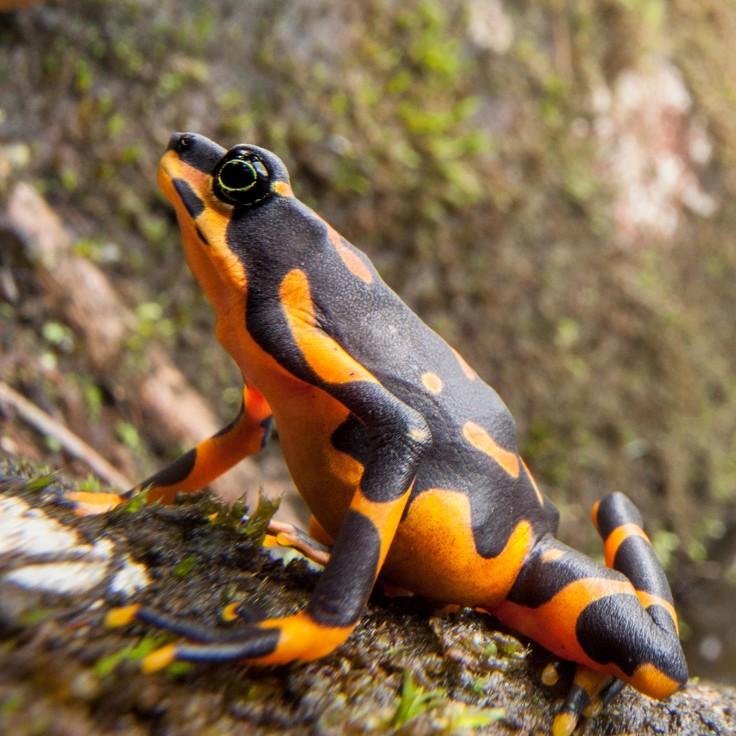
The harlequin frog conservation project is an integrated initiative focused on protecting harlequin frogs (Atelopus), one of the most threatened amphibian groups in the world. It combines scientific research, ecological restoration, and community development to address the territory's environmental and social challenges together.
Beyond conserving a single species, the project recognizes that protecting harlequin frogs means protecting water, riparian forests, and the livelihoods of rural communities that depend directly on these ecosystems.
Protecting the harlequin frog means protecting water, forests, and the future of communities.
80% of harlequin frogs have disappeared from Panama
The harlequin frog and the amphibian crisis
An indicator species on the edge of extinction due to habitat loss, disease, and climate change.
Critical threat status
Global population collapse
Amphibians, and particularly the Atelopus genus, have suffered severe population collapses globally. Emerging diseases, climate change, habitat loss, and pollution have pushed many species to the edge of extinction.
80%
of harlequin frogs have disappeared from Panama
The harlequin frog is a key indicator of environmental health: its presence reflects healthy rivers, streams, and forests. Its disappearance signals broader degradation that also affects people. Even inside protected areas, populations have declined dramatically.
Water bioindicator
Its presence indicates the health of rivers, streams, and forests.
Habitat loss
Degradation of riparian forests and aquatic ecosystems.
Emerging diseases
Pathogenic fungi affect populations globally.
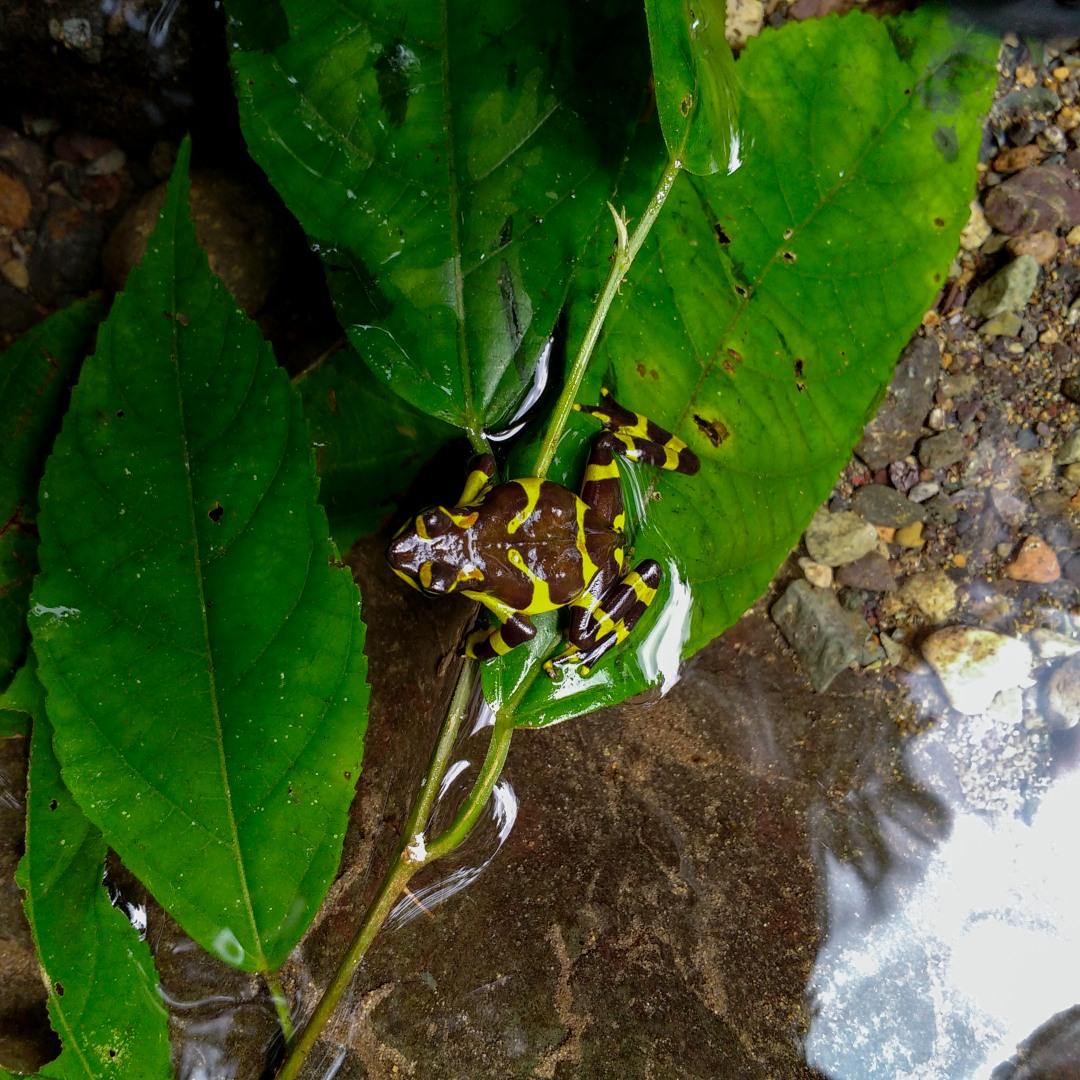
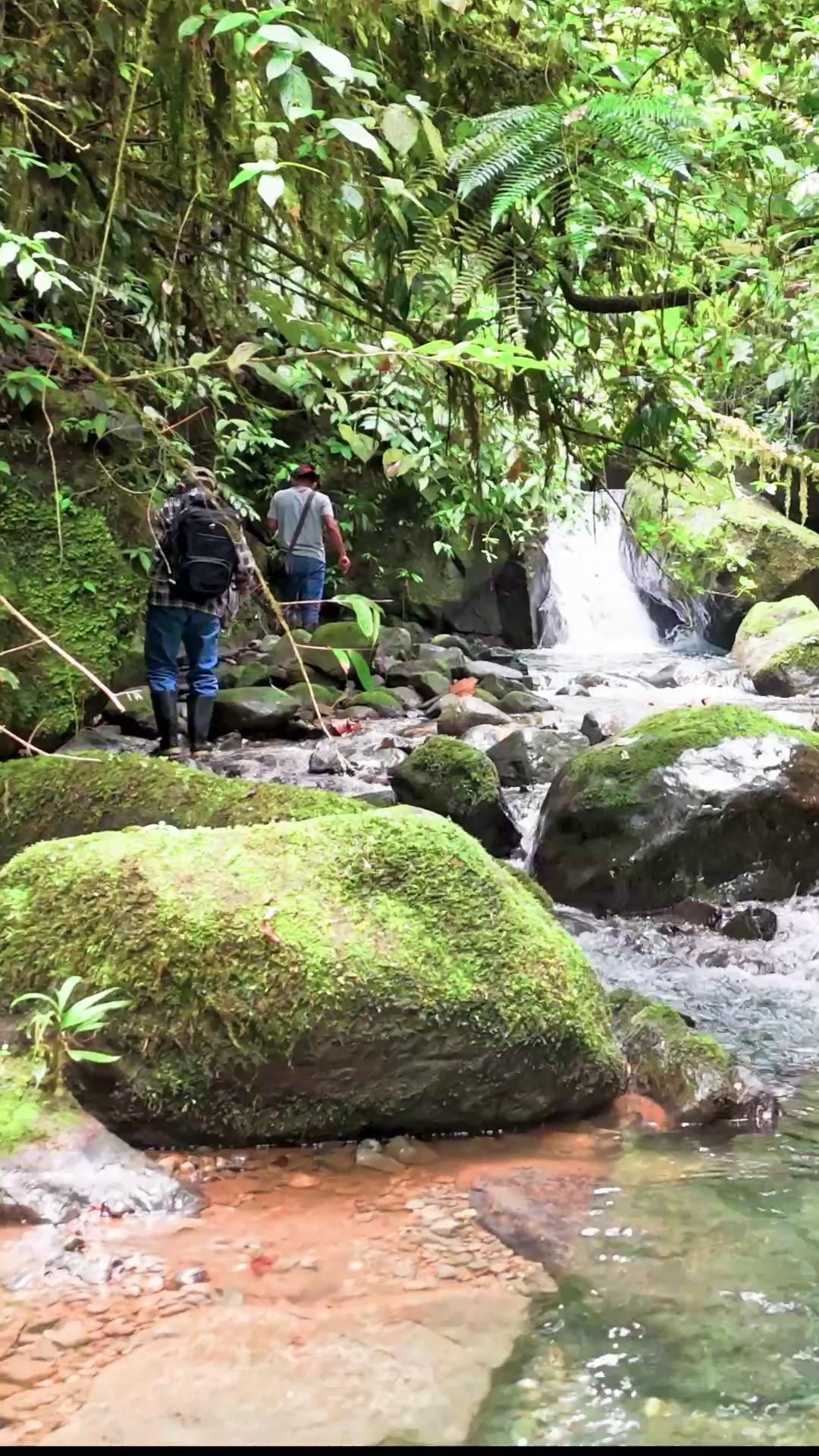
The harlequin frog lives in mountain rivers and streams, ecosystems vital for biodiversity
Work area
The project operates in Alto Ortiga, Veraguas, a strategic region because of its biodiversity and role as a water source. This landscape functions as a biological corridor between protected areas and a vital water source for communities.
Project components
Four components working in an integrated way
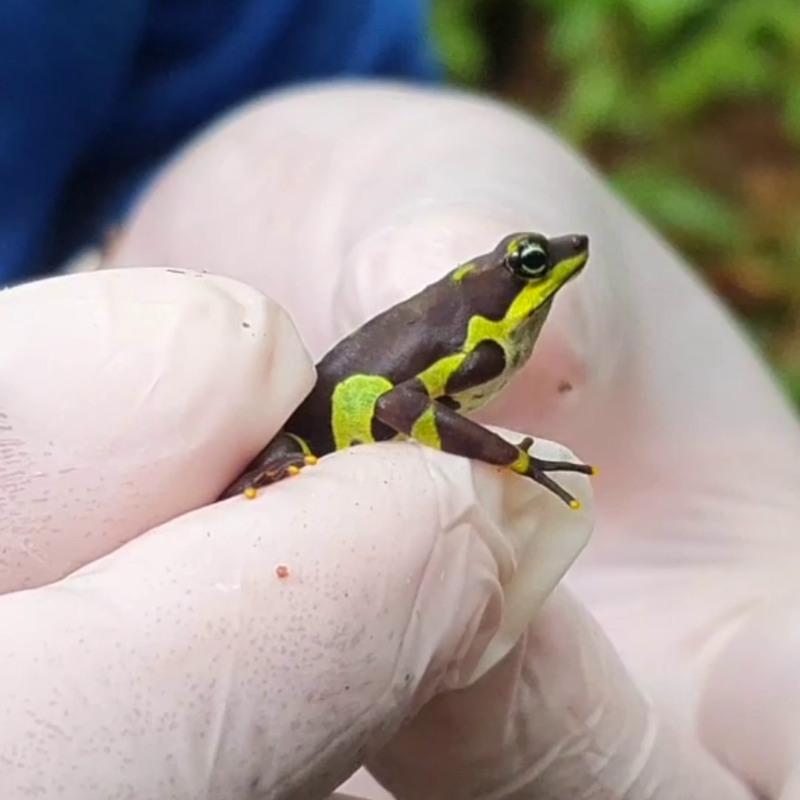
Participatory biological monitoring
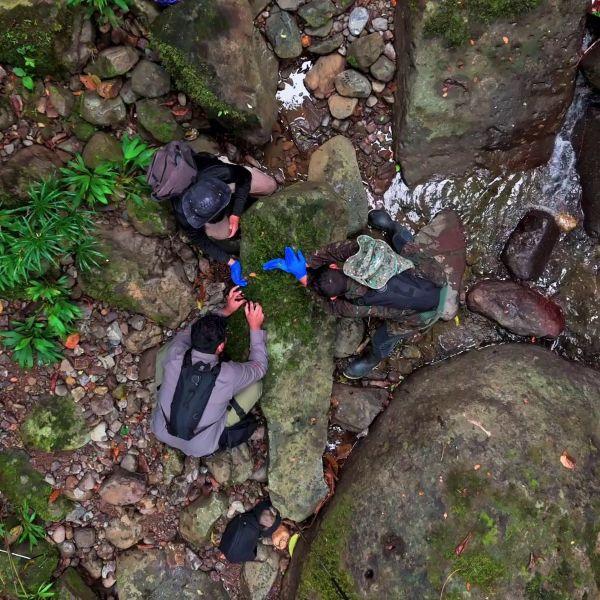
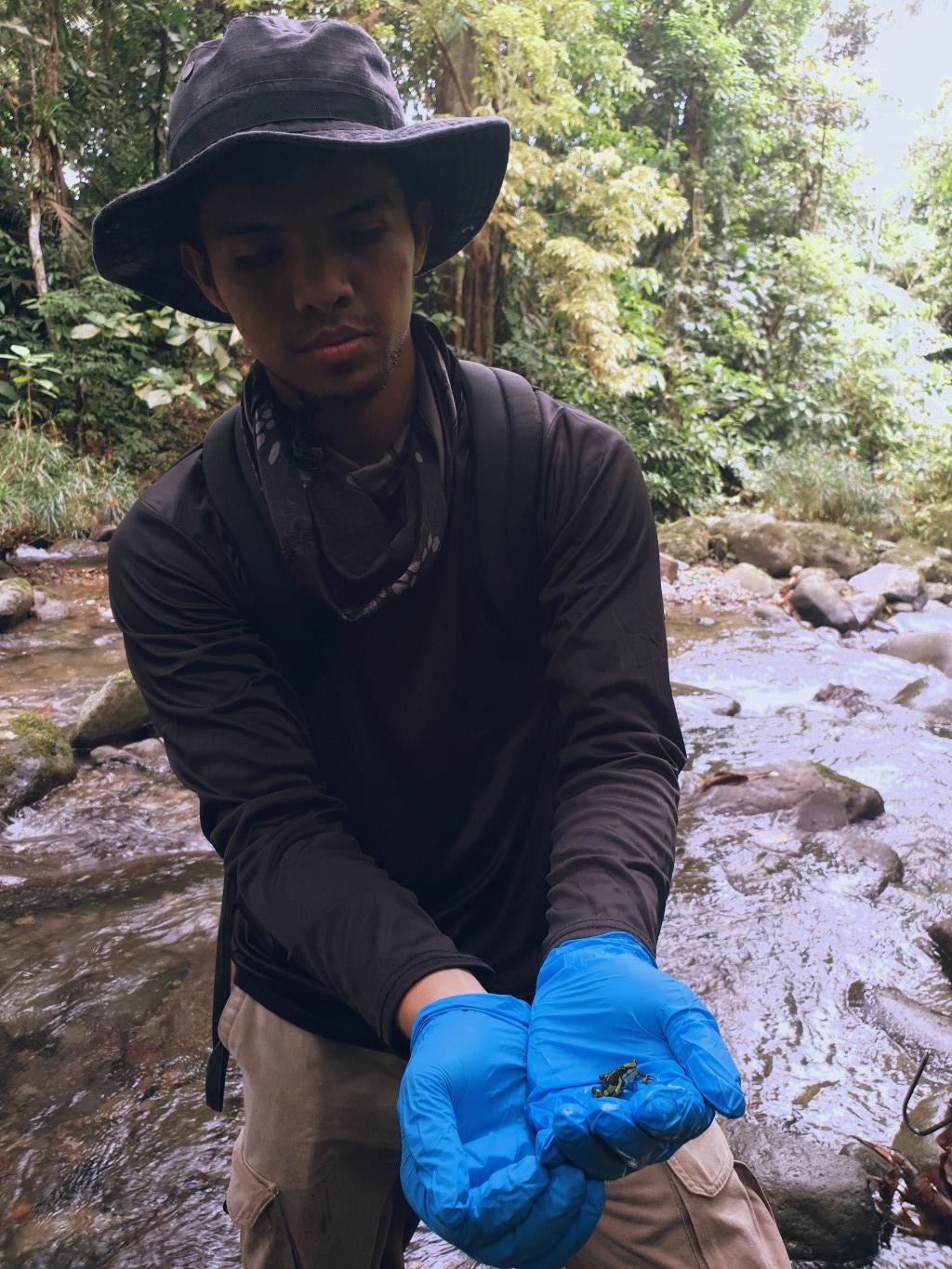
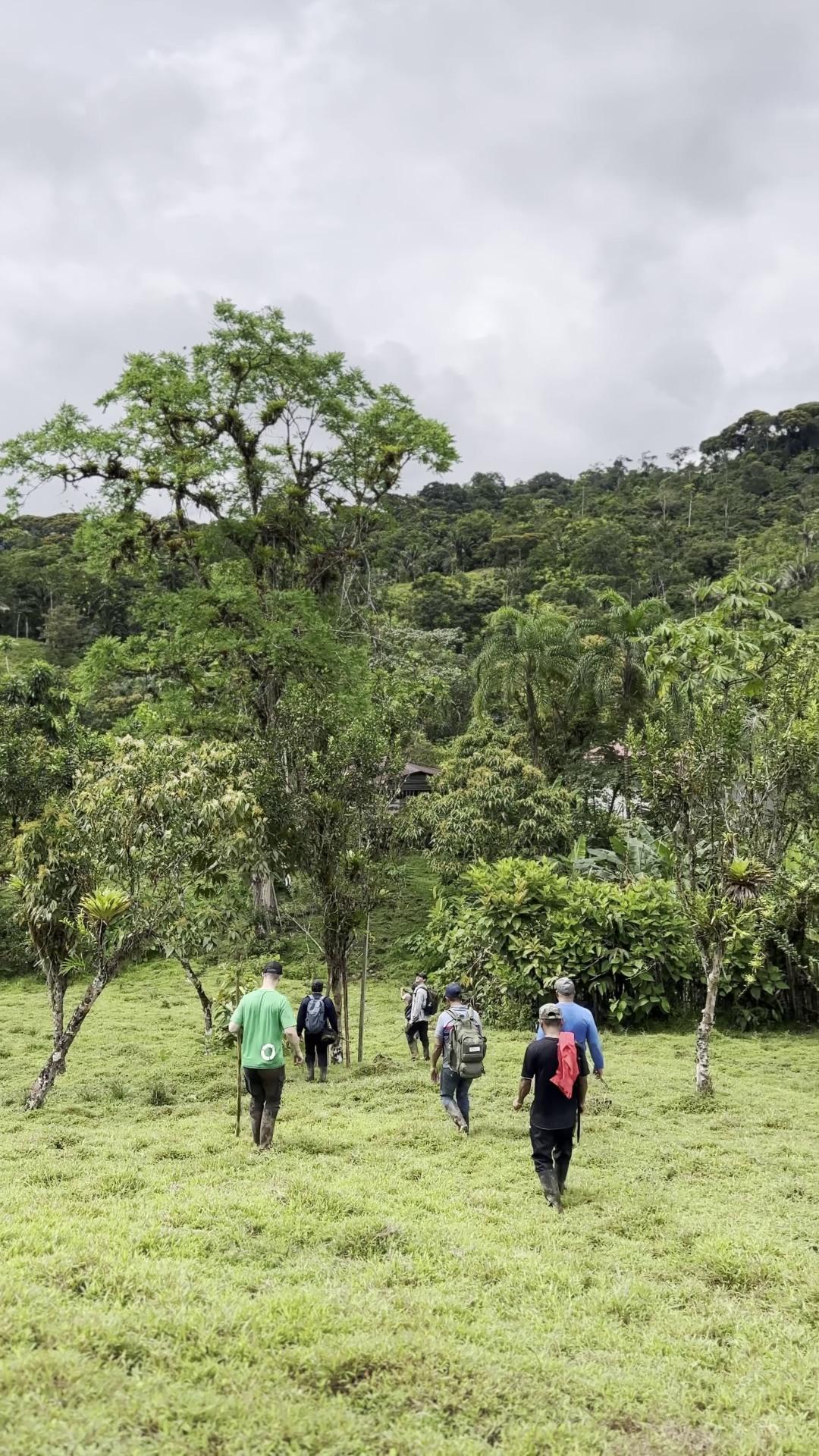
Monitoring of harlequin frogs and associated biodiversity that engages youth, volunteers, and community members in participatory science. This information establishes baselines and helps assess aquatic ecosystem health.
Ecological restoration and productive landscapes
Promotion of riparian forest restoration and sustainable production practices that reduce pressure on rivers and streams, improving water quality and landscape resilience.
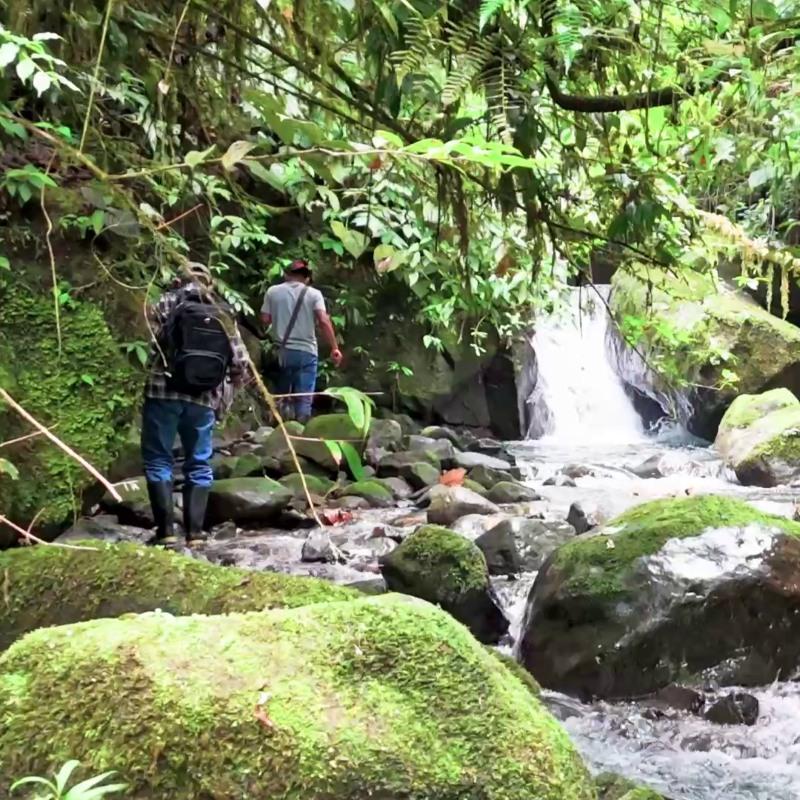
Environmental education and communication
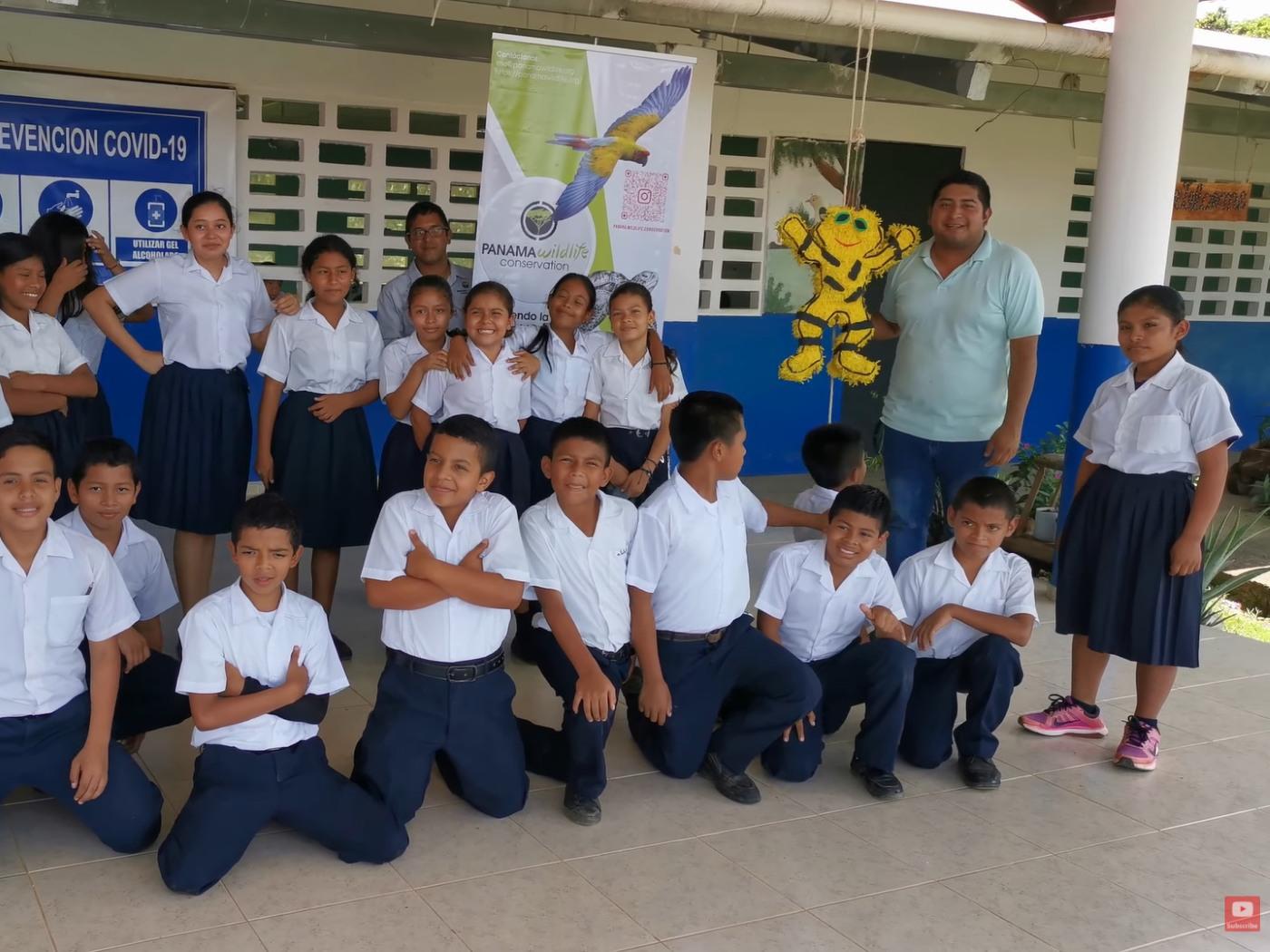
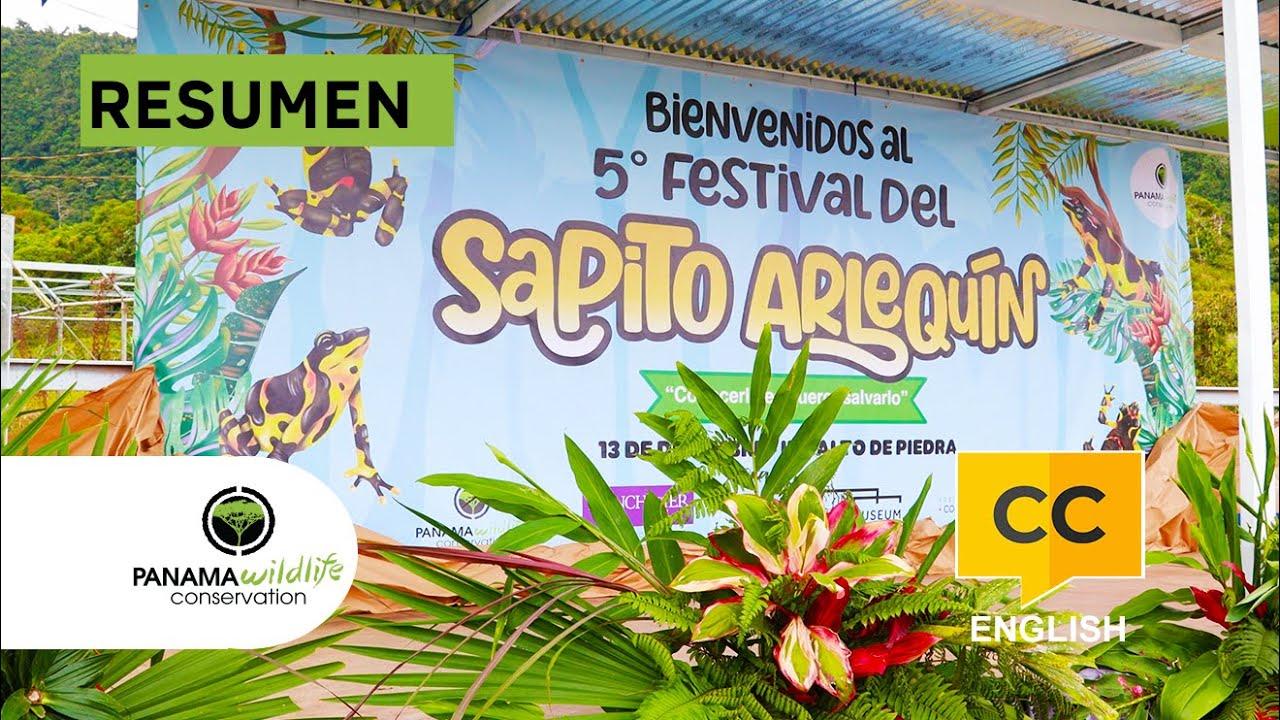
Educational activities for schools, communities, and the general public that strengthen awareness of amphibians, water, and forest ecosystems. Includes the Harlequin Frog Festival as a space for community celebration.
Community ecotourism development
Promotion of low-impact ecotourism initiatives as an economic alternative compatible with conservation, generating opportunities for local communities and increasing the value placed on natural heritage.
Sponsor a Frog
Together with Manchester Museum, we opened a direct route to support Panamanian Harlequin Frog conservation. Discover how the programme works and how your contribution funds science, monitoring, and field action.
Active initiative
Support today and help protect one of the planet's most threatened species.
Key partner
Manchester Museum
Direct impact
Conservation in Panama
Harlequin Frog within PWC's work
This project connects with other Panama Wildlife Conservation initiatives, strengthening an integrated conservation vision in Panama. All our projects share the same approach: science + community + territory.
Strategic partners
This project is supported by committed institutions

Universidad de Manchester

Museo de Manchester
Ministerio de Ambiente de Panamá
Forest Finance
Geschenkbaum
Protecting the harlequin means protecting life
The harlequin frog symbolizes the fragility of aquatic ecosystems and the importance of acting in time. This project shows that conservation can generate benefits both for biodiversity and for communities when work is collaborative and knowledge-based.