9 Critically Endangered Animals in Panama and Why They Matter
Conservation

9 Critically Endangered Animals in Panama and Why They Matter

Discover nine critically endangered animals in Panama and learn why protecting them is essential for safeguarding one of the world’s richest biodiversity hotspots. From jaguars to rare amphibians, these species reveal the urgent need for conservation action.

April 4, 2026Dr. Luis Urena - Director PWC

9 Critically Endangered Animals in Panama

Discover species on the brink of extinction and why protecting them is critical for Panama’s biodiversity.

242 species | 22 endemic | 22 critically endangeredReptiles
211 species | 29 endemic | 36 critically endangeredAmphibians
1000+ species | 12 endemic | 29 critically endangeredBirds

Panama is one of the most biologically rich countries on Earth, serving as a natural bridge between continents and hosting an extraordinary diversity of species. However, many of these species are now critically endangered due to habitat loss, climate change, and human activity.

  • This article highlights nine critically endangered animals found in Panama, showcasing their ecological importance and the urgent need for conservation efforts to protect them.

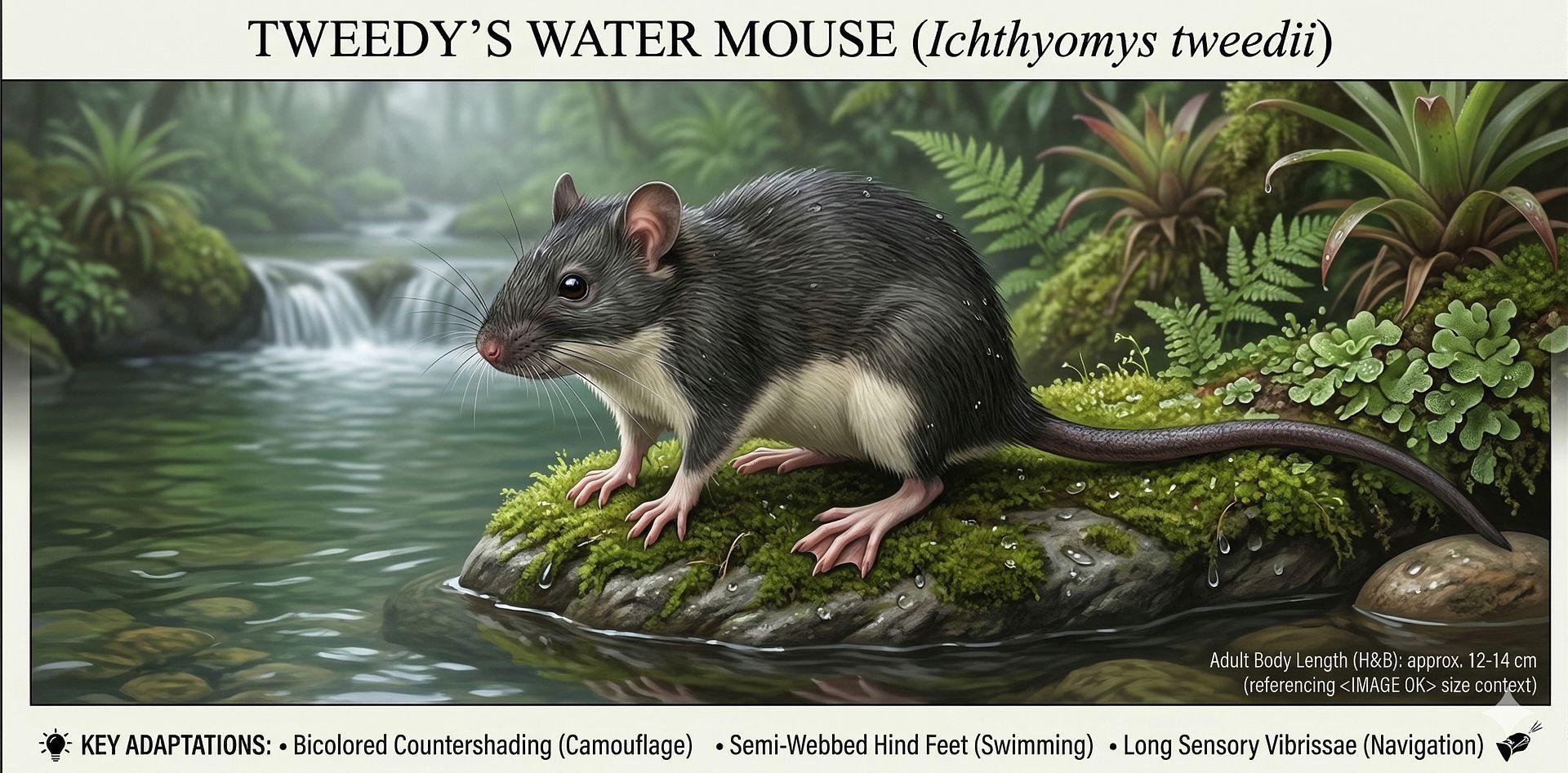
Number 9: Tweedy's Crab-Eating Rat (Ichthyomys Tweedii)
Gemini_Generated_Image_9vfaac9vfaac9vfa.jpg
Tweedy's Crab-Eating rat is Number 9 on our endangered species list. This rodent is found in two disconnected regions in western Ecuador and central Panama. The species is usually located near fast-flowing streams in primary and secondary forests and is known from 900 to 1700 m of elevation. Like other members of its genus, it is presumed that it is nocturnal, semiaquatic, and carnivorous, feeding on freshwater invertebrates, such as crabs, the biggest threats faced are habitat destruction and water pollution.

Number 8: Baird's Tapir (Tapirus Bairdii)
Tapir_©ghrosenberg.jpg

Source: ©ghrosenberg.jpg

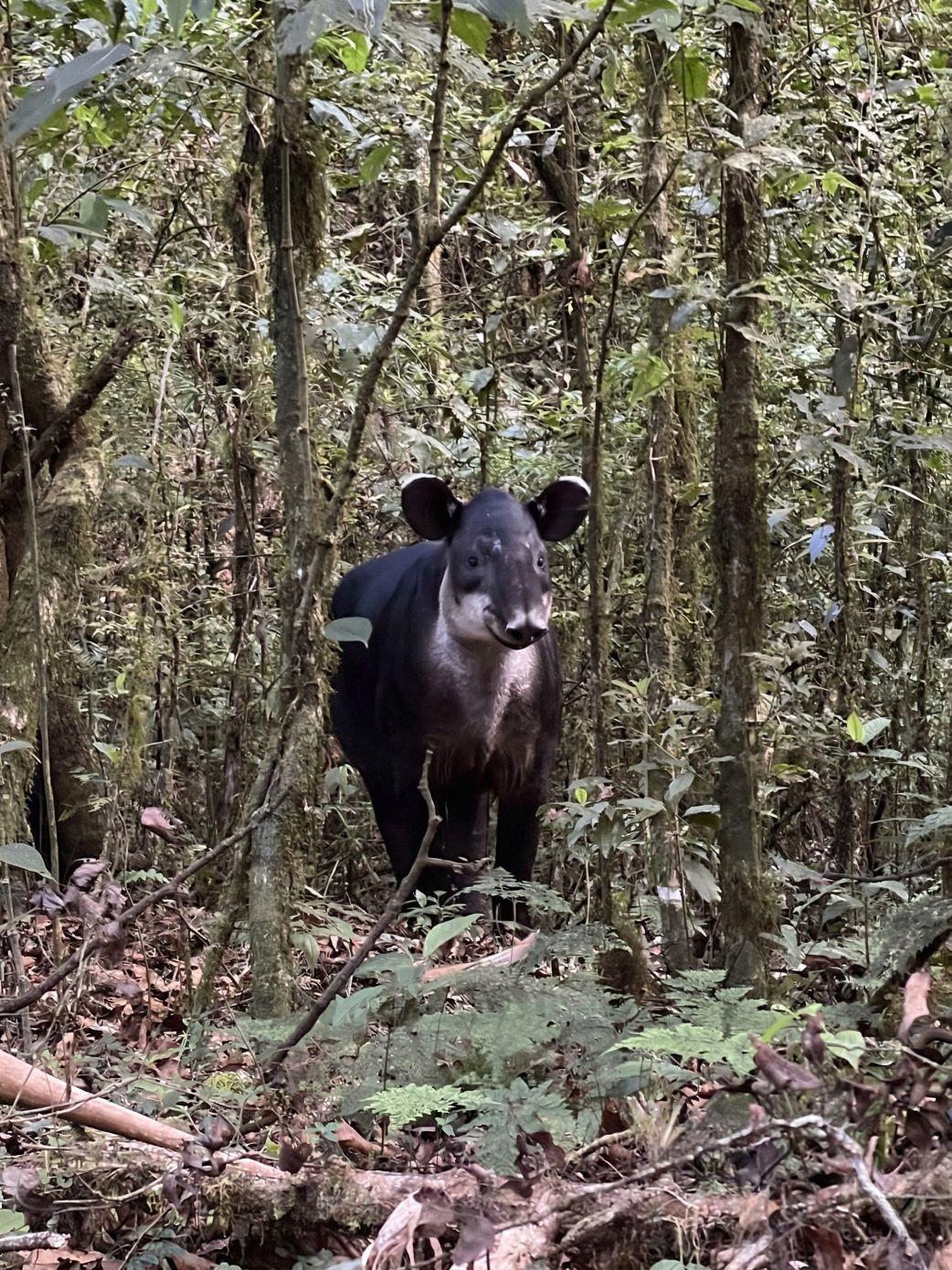
Baird's Tapir is Number 8 on our list and is a species of tapir native to Mexico, Central America, and northwestern South America. It is the largest of the three species of tapir native to the Americas and the largest native land mammal in both Central and South America. Baird's tapir may be active at all hours but is primarily nocturnal. Remarkably, the Baird's tapir has a symbiotic relationship with cleaner birds that remove ticks from its fur: the yellow-headed caracara (Milvago chimachima) and the black vulture (Coragyps atratus). The two most considerable contributions in the decline of the species are poaching and habitat loss.

Number 7: The Central American Squirrel Monkey or Red-Backed Squirrel Monkey (Saimiri Oersterdii)

Squirrel Monkey_©Lauren diBiccari.jpg

Attribution: ©Lauren diBiccari

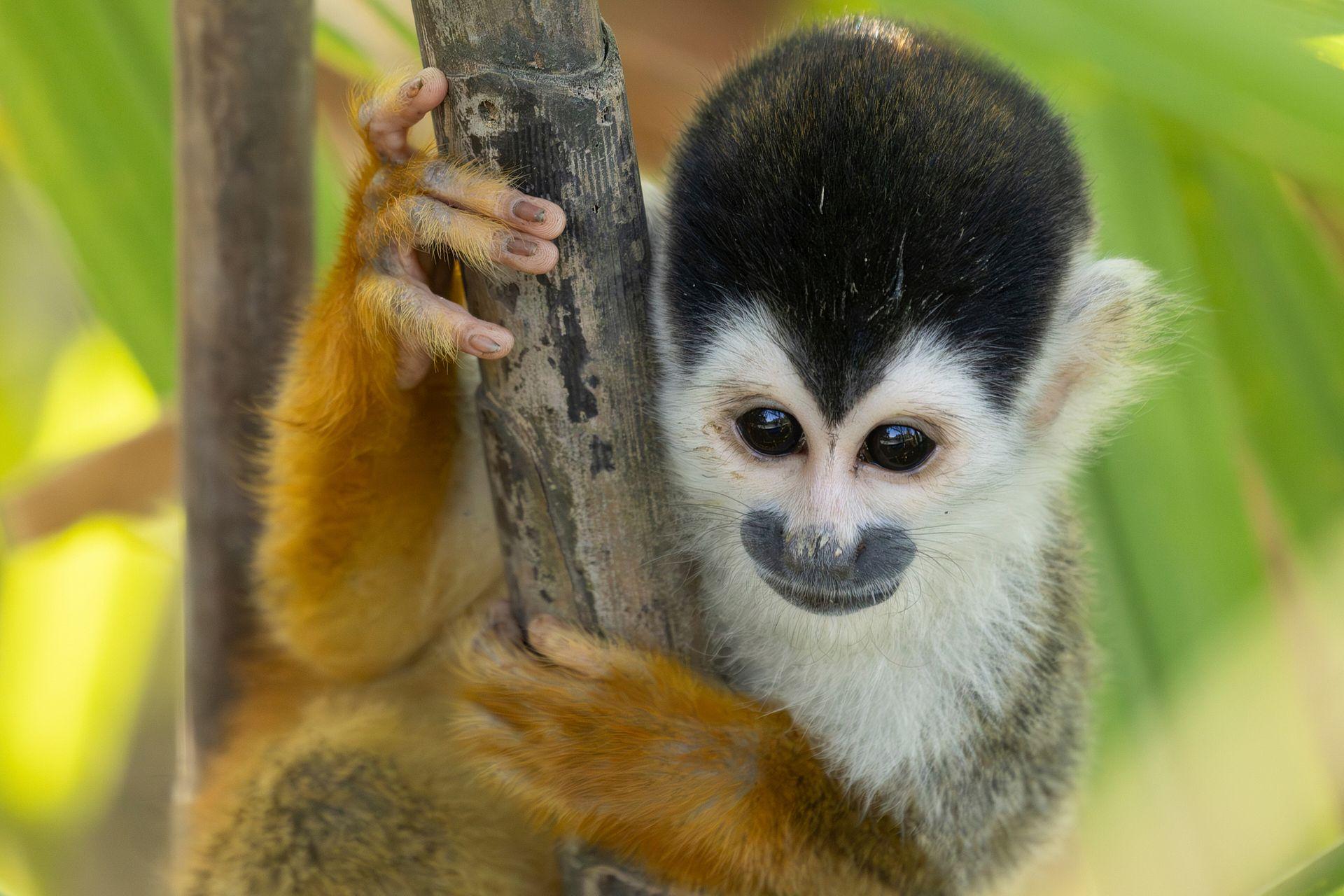
At Number 7, The Central American squirrel monkey inhabits parts of Panama and Costa Rica's Pacific coast. Unfortunately, there is little information available about the habitat of S. oersterdii. However, in general, squirrel monkeys are arboreal and can be found in primary and secondary forests, thickets, and mangrove swamps). Nearly half of their diet is made up of fruit, and most of their prey are immobile invertebrates. Examples include but are not limited to fruit, berries, seeds, gums, leaves, buds, insects, arachnids, and small vertebrates. Overall, there have been some difficulties in finding information on S. oerstedii due to its rarity. The population has declined drastically with the destruction of forest habitats.

Number 6: Coiba Island Howler (Aloutta Coibensis)
Coiba Howler_© Isis Khalil.jpg

Attribution: © Isis Khalil.j

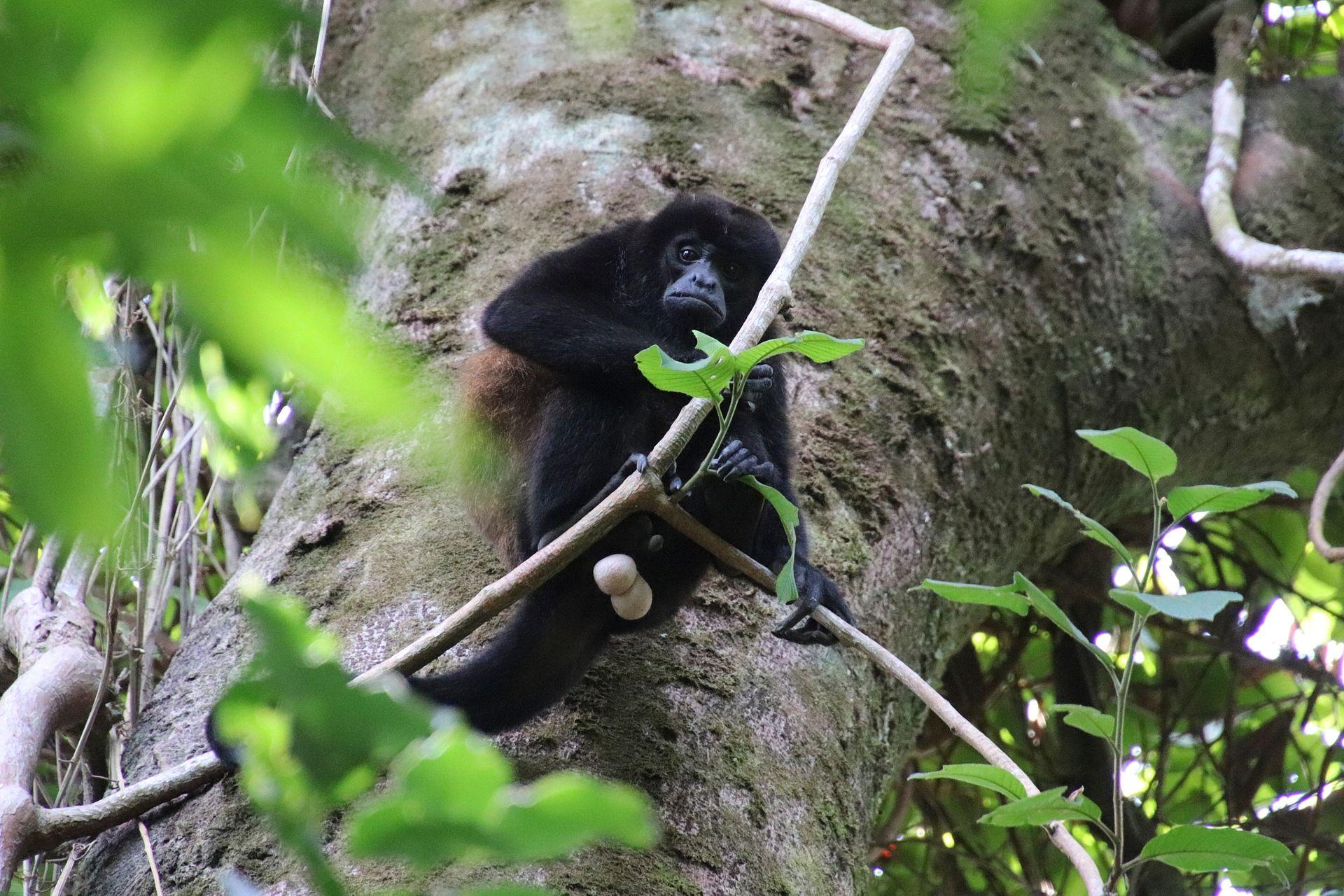
The Number 6 species on our list is the Coiba Island howler, which is endemic to Panama. The two subspecies of this howler are the Alouatta coibensis and the Azuero Howler. This diurnal species consumes new leaves and fruit as the primary part of the food plan. Flowers and bugs are additionally generally eaten. Its voice is amplified by the hyoid bone, which acts as a resonator causing its calls to journey for lengthy distances. Threats to howler monkeys include being hunted for food and export, and as with many other species in South America, their habitat is being steadily destroyed.

Number 5: The Black-Headed Spider Monkey (Ateles Fusicep)
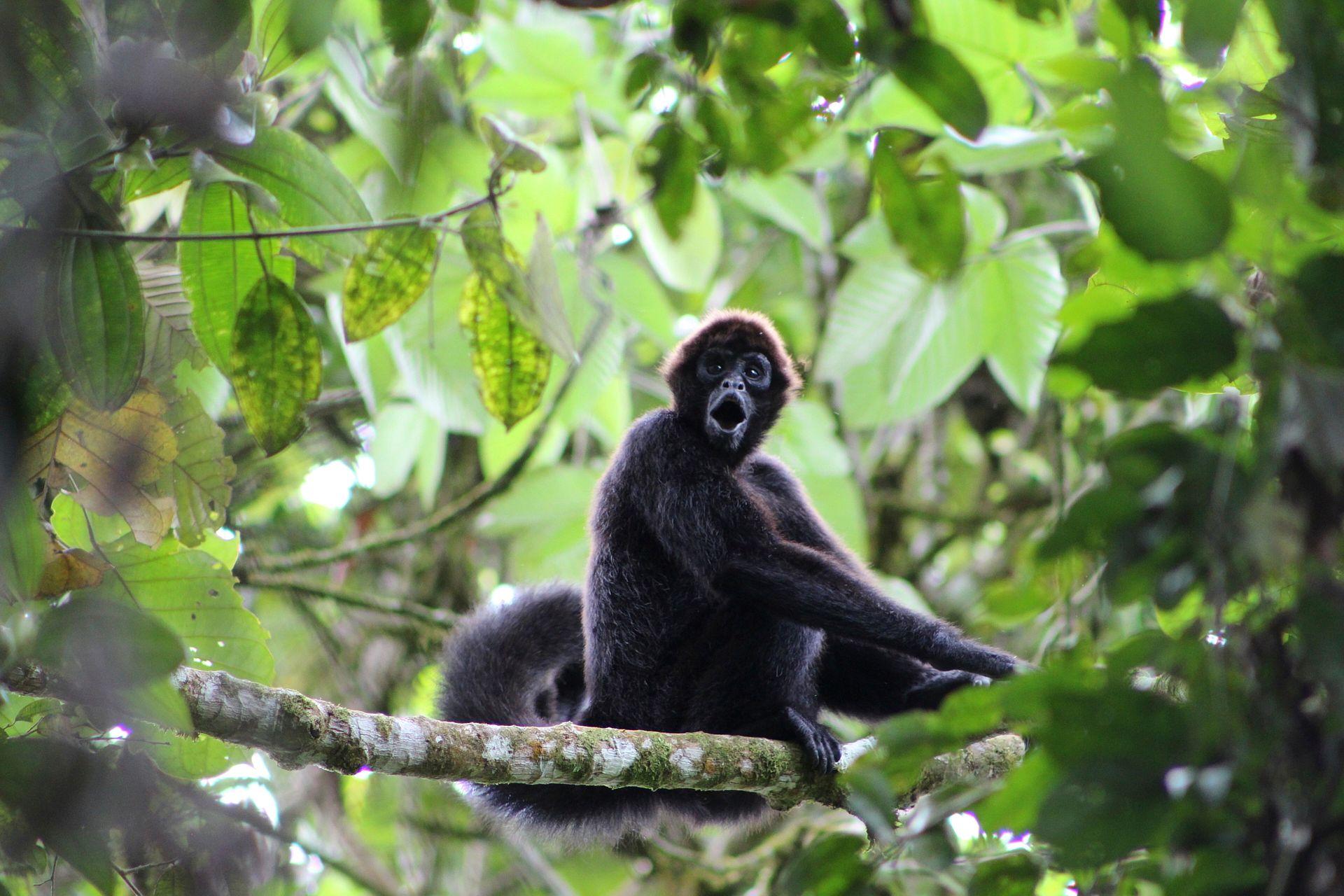
© Reserva Tesoro Escondido.jpg

Attribution: © Reserva Tesoro Escondido

The black-headed spider monkey comes in as species number five. Brown-headed Spider Monkeys are found in the rainforests of Central and South America. They are active during the day, sleep at night, and spend most of their time in the uppermost branches of trees, foraging food. Their diet consists of ripe fruits and leaves, nuts, seeds, insects, and sometimes eggs. In some areas, Brown-headed Spider Monkeys may be hunted for food. One of the main reasons Brown-headed Spider Monkeys are declining in numbers is the deforestation of their habitat.

Number 4: Harlequin Toad (Atelopus various)
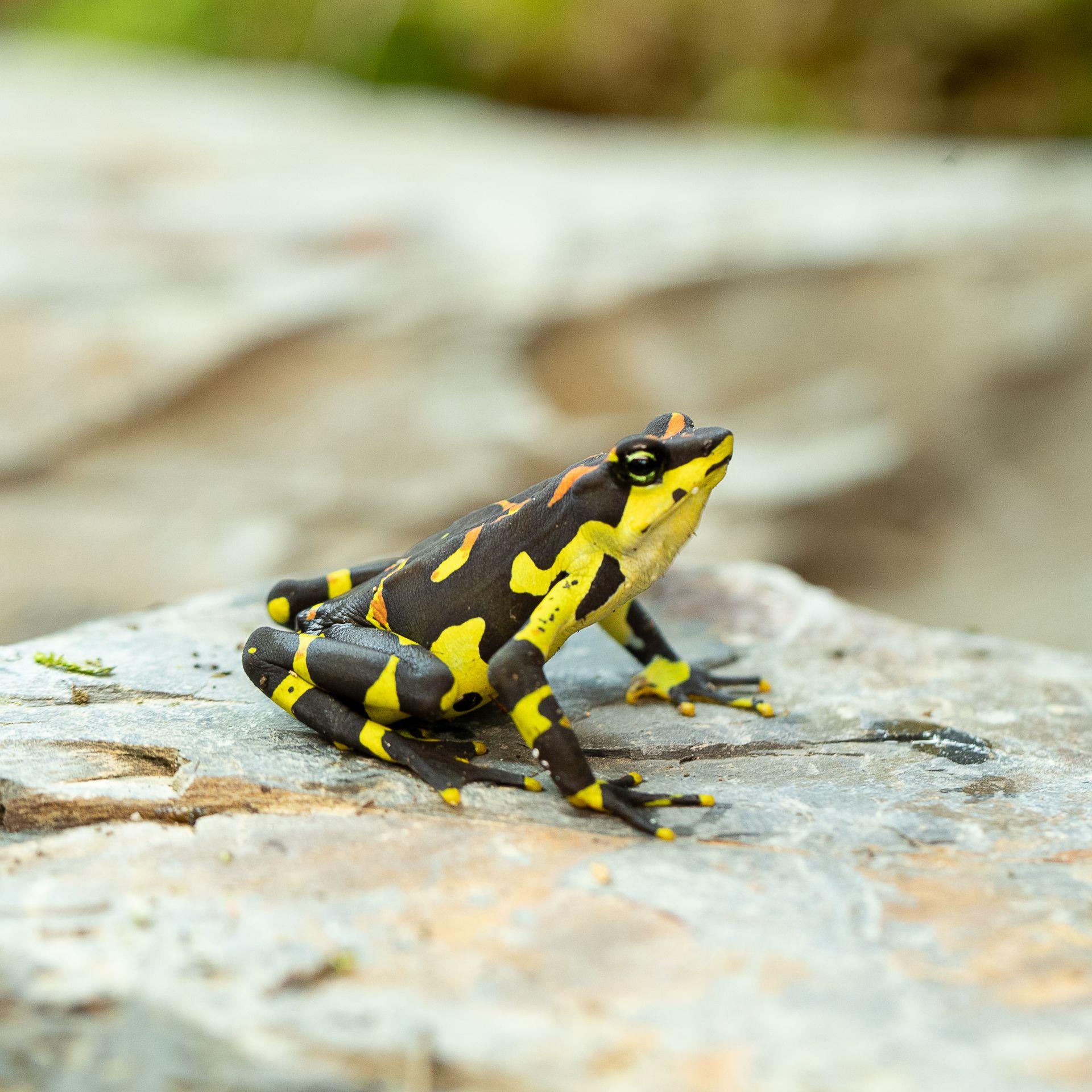
_MG_8116.jpg
The fourth species on our list is the Variable Harlequin Toad. It has been reduced to a single remnant population near Quepos, Costa Rica (rediscovered in 2003) and has only relict populations in western Panama. Often found on rocks or in crevices along streams in humid lowland and montane forests. It is primarily a terrestrial species, only entering the water during the breeding season, relying on spray from streams for moisture. The conspicuous or aposematic coloration of A. varius likely serves as a warning to potential predators of the toxicity of the frog's integument, which contains tetrodotoxin, a potent neurotoxin. Little is known of their diet in the wild, but it is presumably similar to other Atelopus species that forage on beetles, ants, flies, and mites. In captivity, the frogs readily accept large fruit flies, tiny mealworm larvae, and small crickets. Recent variations in air temperature, precipitation, streamflow patterns, and the subsequent spread of a pathogenic chytrid fungus (Batrachochytrium dendrobatidis) linked to global climate change have been the leading cause of the decline.

Number 3: Azuero Spider Monkey (Ateles Geoffroyi)
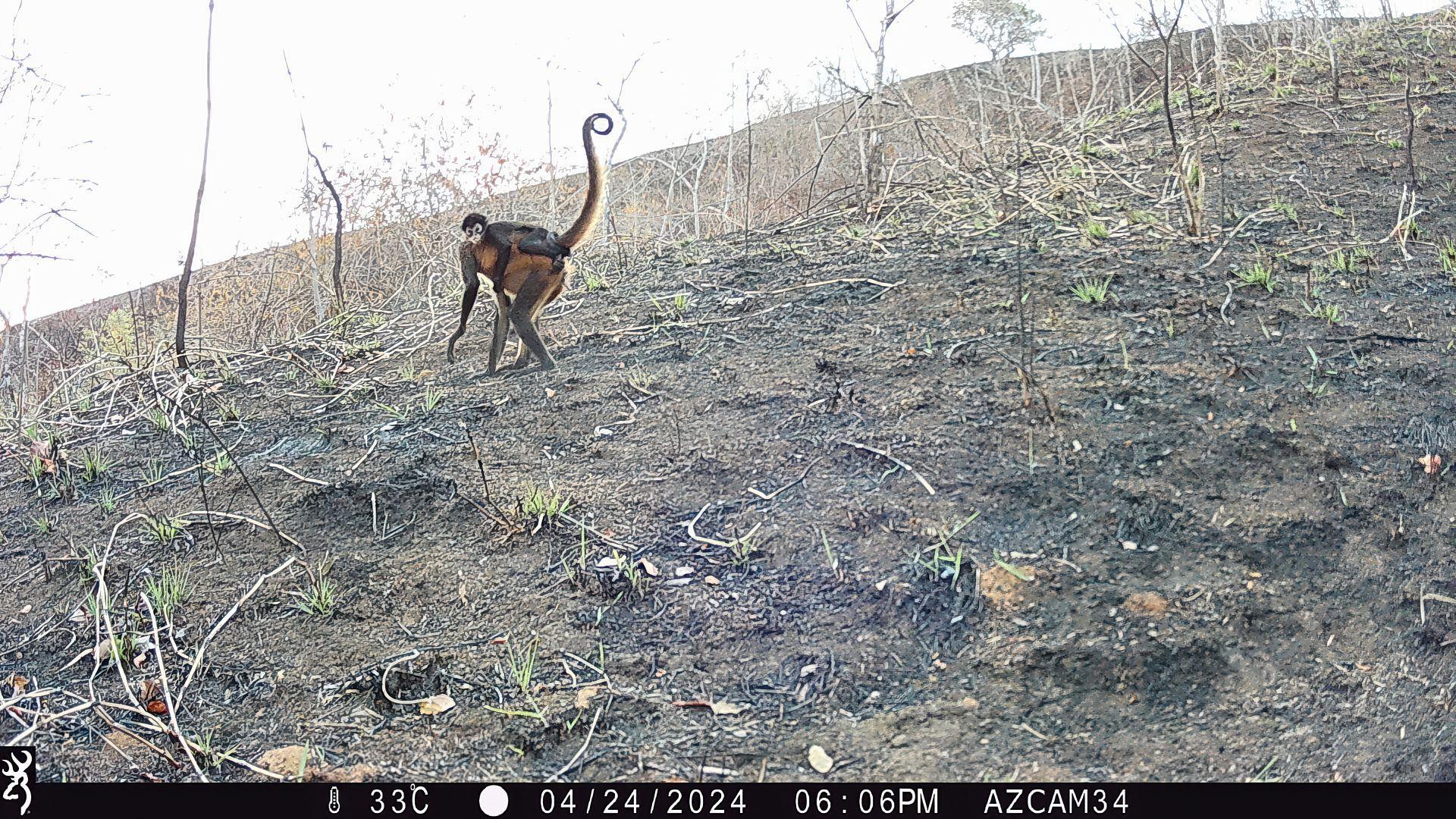
Azuero Spider Monkey_© Hubert Szczygieł.jpg
Coming in at Number 3 is the Azuero spider monkey which inhabits mature rainforest and montane forest. These monkeys eat mainly ripe fruit and less frequently leaves and flowers. They may also eat some nuts, seeds, insects, arachnids, and eggs. These spider monkeys live mainly at the top of the tree canopy, where they forage diurnally. They tend to feed heavily in the early morning and to rest for the remainder of the day. These monkeys are among the most agile of the primates and are often seen hanging by one limb or tail, which essentially functions as a fifth limb. Unfortunately, it is hunted for food and is locally extinct from most accessible areas. It's large group numbers and noisy habits make this species easy to find.

Number 2: Great Green Macaw (Ara Ambiguus)
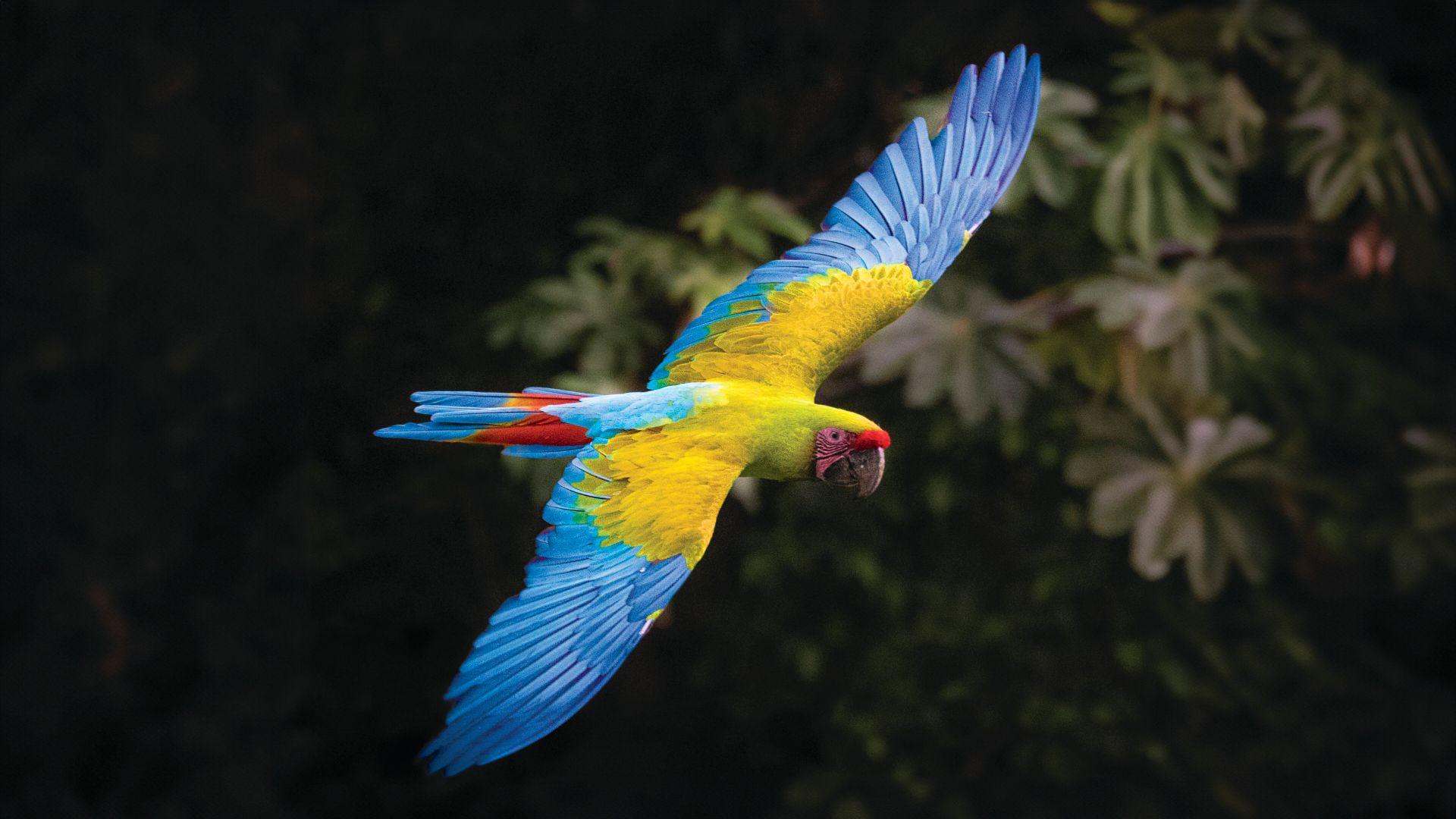
Enrique Pucci-Guacamayo Verde de Azuero (Ara ambiguus).jpg
Second on our list is the great green macaw, also known as Buffon's macaw or the great military macaw. This parrot is a Central and South American bird found in Nicaragua, Honduras, Costa Rica, Panama, Colombia, and Ecuador. They have been recorded feeding on a wide variety of foodstuffs in the wild, such as seeds, nuts, fruits, flowers, bulbs, roots, and bark. These birds are usually observed in pairs or small groups of up to four to eight birds, very rarely more, and tend to rest and forage in the canopy's upper areas. The main threat for the survival of the great green macaw was habitat loss.

Number 1: Pygmy Three-Toed Sloth (Bradypus Pygmaeus)
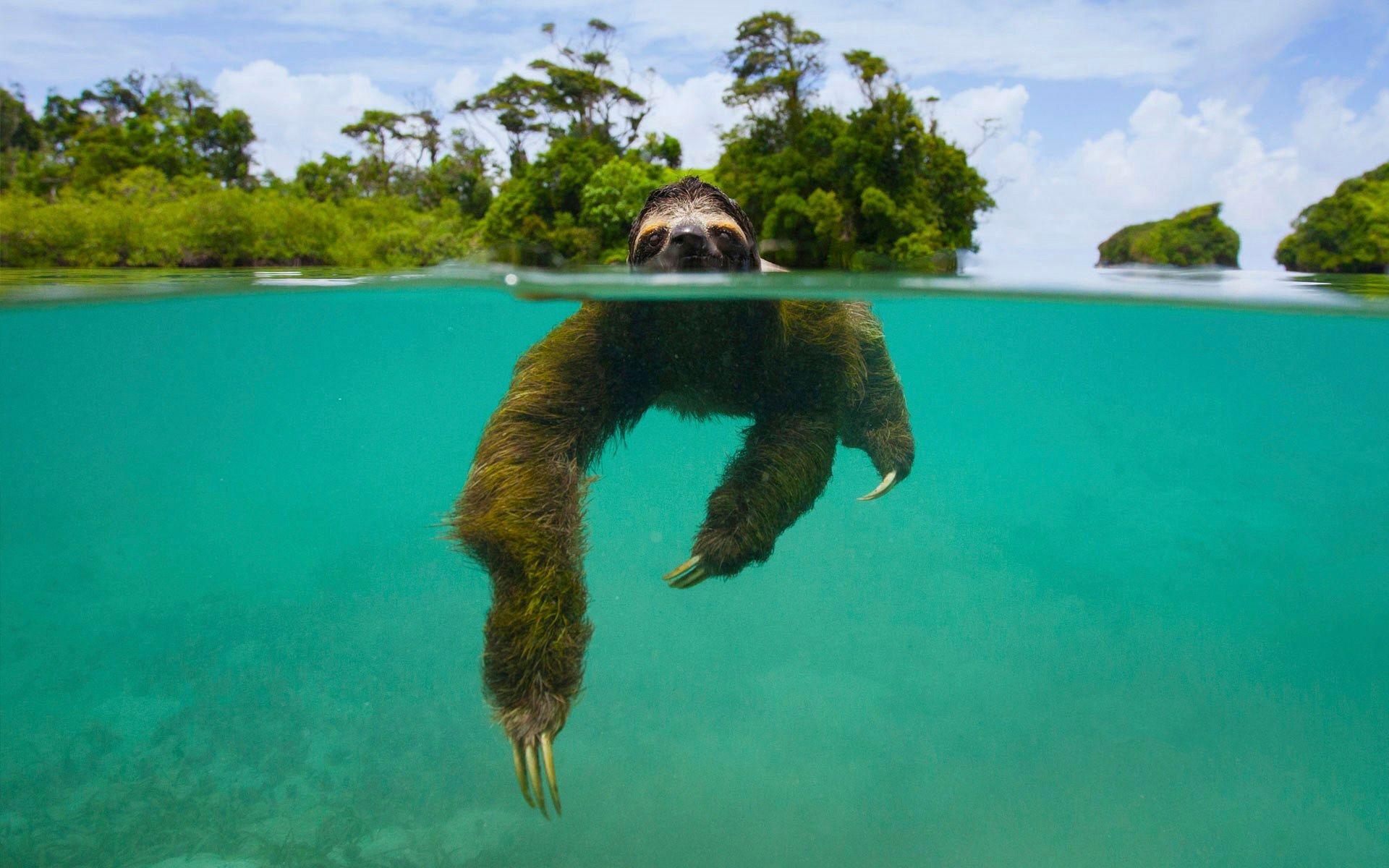
@suzieszterhas_-lenivets-panama-mlekopi.jpg

Attribution: @suzieszterhas

The number one spot on our list is the pygmy three-toed sloth, also known as the monk sloth or dwarf sloth, is a sloth endemic to Isla Escudo de Veraguas, a small island off the coast of Panama. It is thought that the pygmy three-toed sloth primarily feeds on the leaves of the red mangrove trees in which it lives. Like other sloths, they can be active at any time of the day and spend much of their time sleeping or sedentary. They are generally solitary and do not tend to travel far. Well known for its slow movements, the pygmy three-toed sloth is ideal for life in the mangroves and is surprisingly good at swimming. The primary threat to the pygmy three-toed sloth is habitat destruction, which is reducing the size of its already small habitat.
Protecting endangered species is not just about saving animals — it is about protecting entire ecosystems and the future of life in Panama.Dr. Luis Urena - Director PWC

Cookie policy

We use cookies for analytics and advertising conversion measurement to improve the site and evaluate campaigns only with your consent. Learn more