Planting a Tree? Choose Native Species and Protect Great Green Macaws
Discover how planting native trees like the Cuipo helps restore habitats and protect endangered wildlife in Panama.
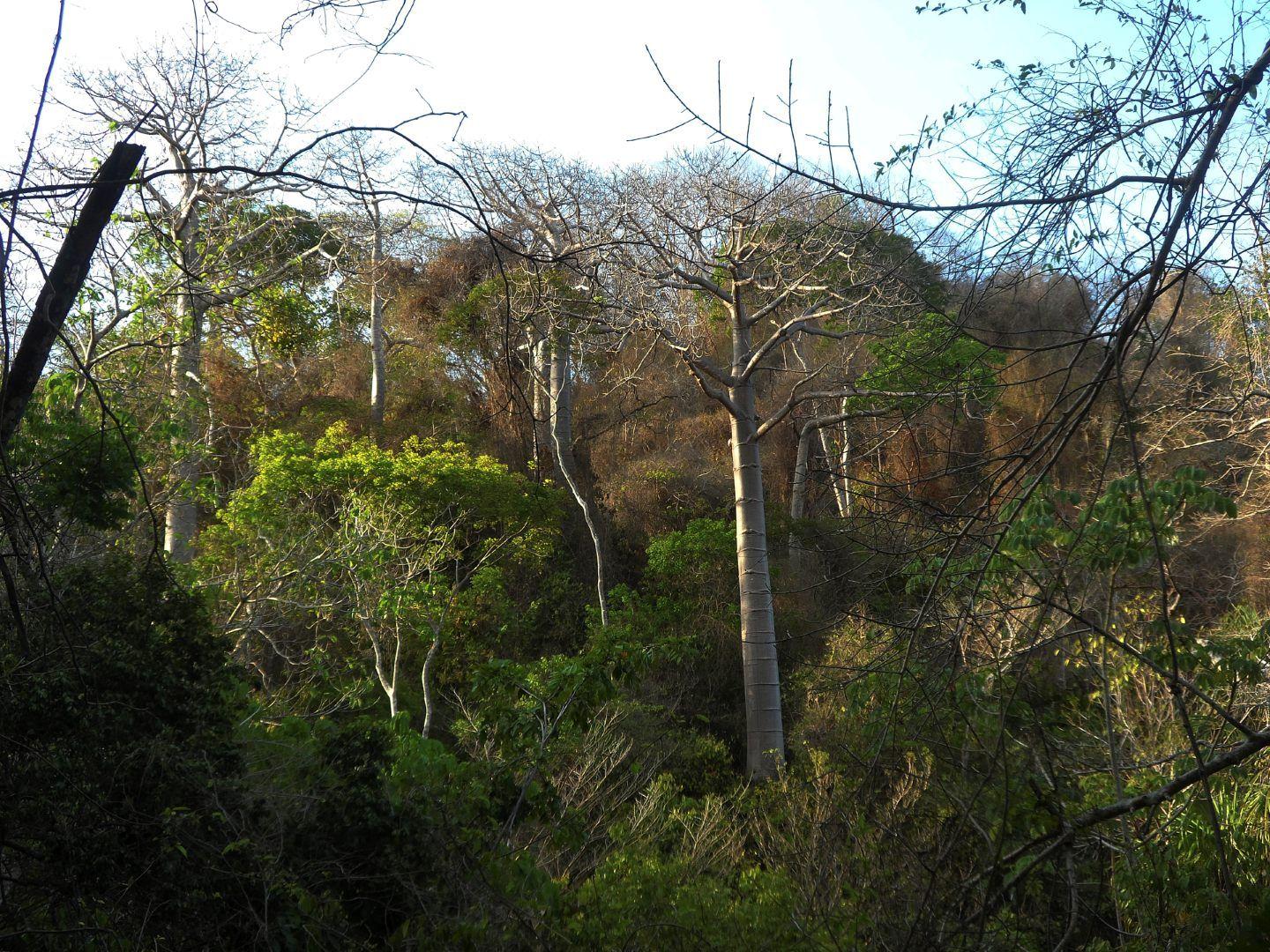
The Cuipo tree (Cavanillesia platanifolia) is one of the most iconic giants of Panama’s tropical forests. Beyond its impressive size, it plays a critical ecological role by providing nesting sites for species like the Great Green Macaw and even the Harpy Eagle.
However, due to habitat loss, these trees have declined significantly in regions such as Azuero. Restoration efforts led by Panama Wildlife Conservation are working to bring this vital species back into the landscape through community-based reforestation initiatives.
The Giant of the Tropical Forest
Source: @albertoxcolombia
Beyond its size, the Cuipo is a cornerstone of biodiversity. For the Great Green Macaw, a species that relies on the Azuero Peninsula, mature Cuipo trees provide essential nesting sites and resting spots within their large branches and natural cavities. Even the majestic Harpy Eagle utilizes these massive trees to build its nests.
A Call to Action in Azuero and Mariato
Source: @jennsinasac
How to Successfully Grow a Cuipo
If you are participating in our reforestation initiative, keep these technical guidelines in mind to ensure your tree thrives:
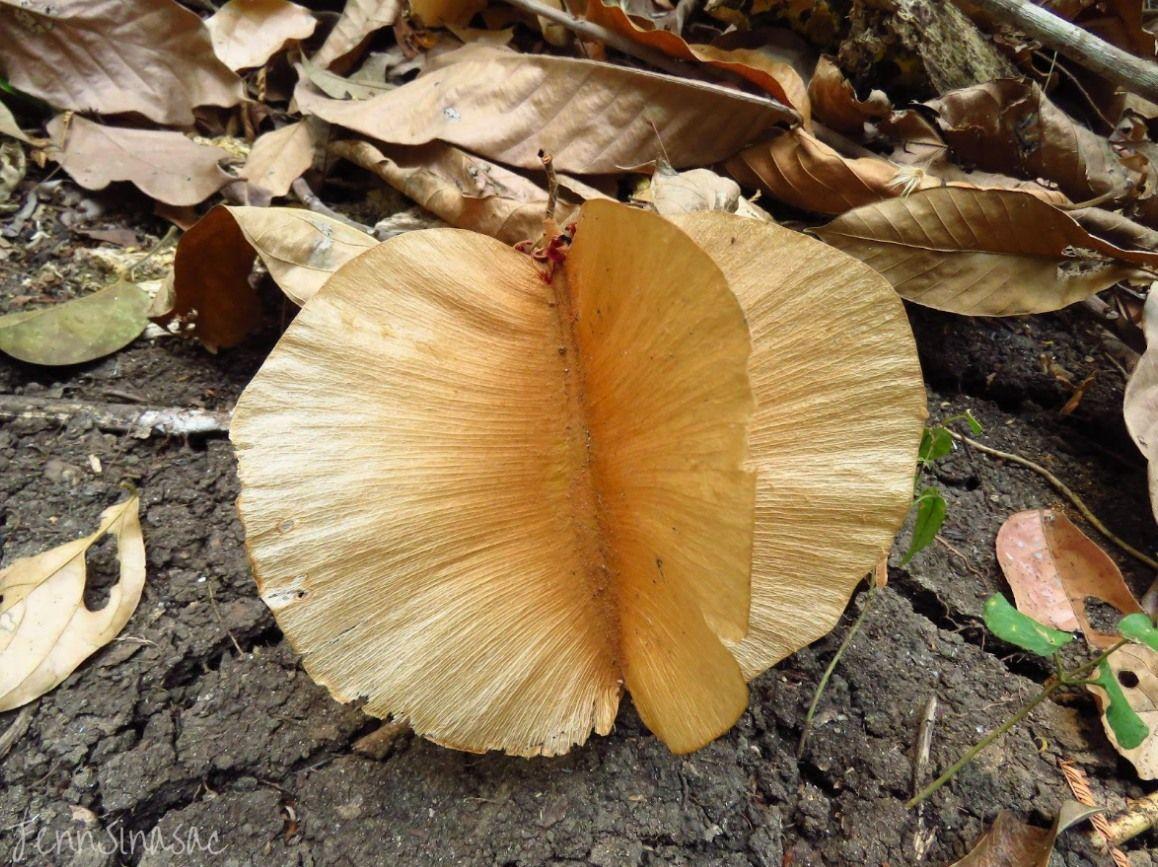
- Germination: Cuipo seeds are adapted for wind dispersal. When planted correctly- following a 24-hour soak - they can begin germinating as quickly as 48 hours.
- Vursery Care: Seedlings should be kept under roughly 80% shade and watered five days a week (avoiding waterlogging) until they reach 30–50 cm in height.
- Strategic Spacing: Because the Cuipo grows so large, it requires space. It must be planted at least 20 meters away from houses, fences, or other structures.
- Timing: The best time for transplanting to the field is at the start of the rainy season.
5 Tips for Planting the Right Way
Choosing to plant a tree is a long-term commitment. To ensure your contribution to the environment is successful, consider these strategic steps:
- Match the Tree to the Site: "Right tree, right site." Every species has specific needs for space and soil. If conditions are incorrect, the tree may succumb to disease or insects. Know your site's limits before you dig.
- Define Your Goals: What do you want from your tree? Whether you want to attract pollinators, reduce road noise, or increase property value, knowing your goals helps you select the perfect species.
- Prioritize Proper Care: Selection is only half the battle. To ensure your tree lasts for generations, you must plant it properly and protect young plants from weeds and livestock.
- Expect Natural Challenges: Native trees may experience insect or disease issues. Often, these do not require intervention, but if you are concerned, contact us for guidance.
Ultimately, no matter which tree you choose, ensure it is a native species and that it receives the care it needs to grow into a legacy for Panama’s wildlife.
“Planting a native tree is one of the most powerful actions you can take to restore ecosystems and protect endangered wildlife.”— Dr. Luis Urena - Director PWC